




- Agentic commerce is real, but the “AI checkout” story is more mixed than the hype suggests
- B2B is no longer a Plus-only feature
- Sidekick is becoming an operator, not just an assistant
- Smaller changes worth knowing about
- What we’d actually prioritise
- Not sure which Spring 2026 changes actually apply to your store?
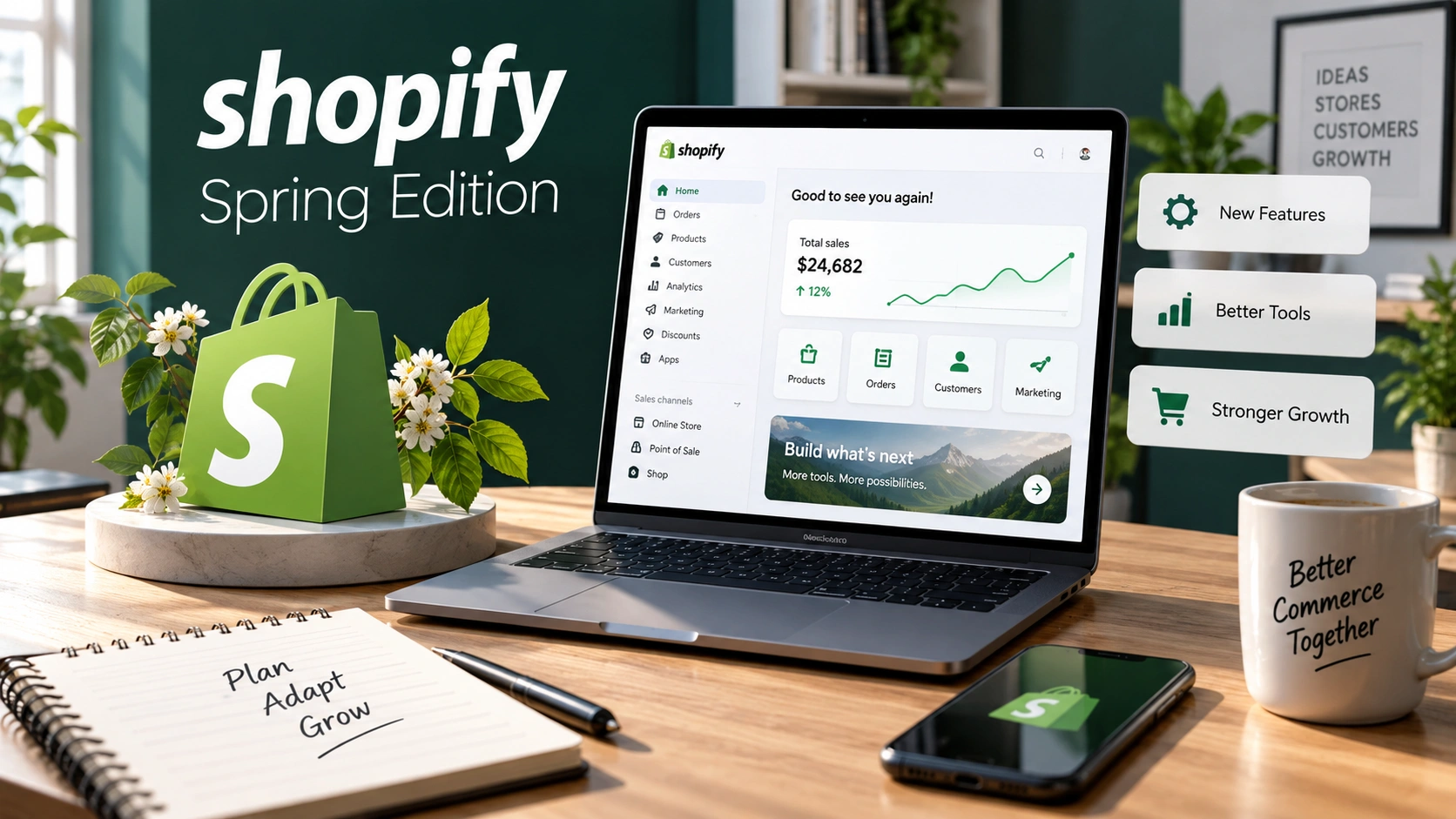
Shopify’s Spring 2026 Edition landed in June with more than 200 new features across AI, retail, payments and developer tooling. Editions happen twice a year, and it’s easy for the headline number to drown out the handful of changes that genuinely matter for a merchant running a store day to day. Here’s what we think is worth your attention, and why.
Quick Answer
Shopify’s Spring 2026 Edition is worth a full read, but not a full to-do list. The parts that genuinely deserve action are product data and structured content for AI discovery, and B2B tooling if wholesale is part of your business. Native AI checkout is a less settled trend than the announcements suggest, so it’s worth preparing for without betting on any single platform’s experiment surviving the year.
Agentic commerce is real, but the “AI checkout” story is more mixed than the hype suggests
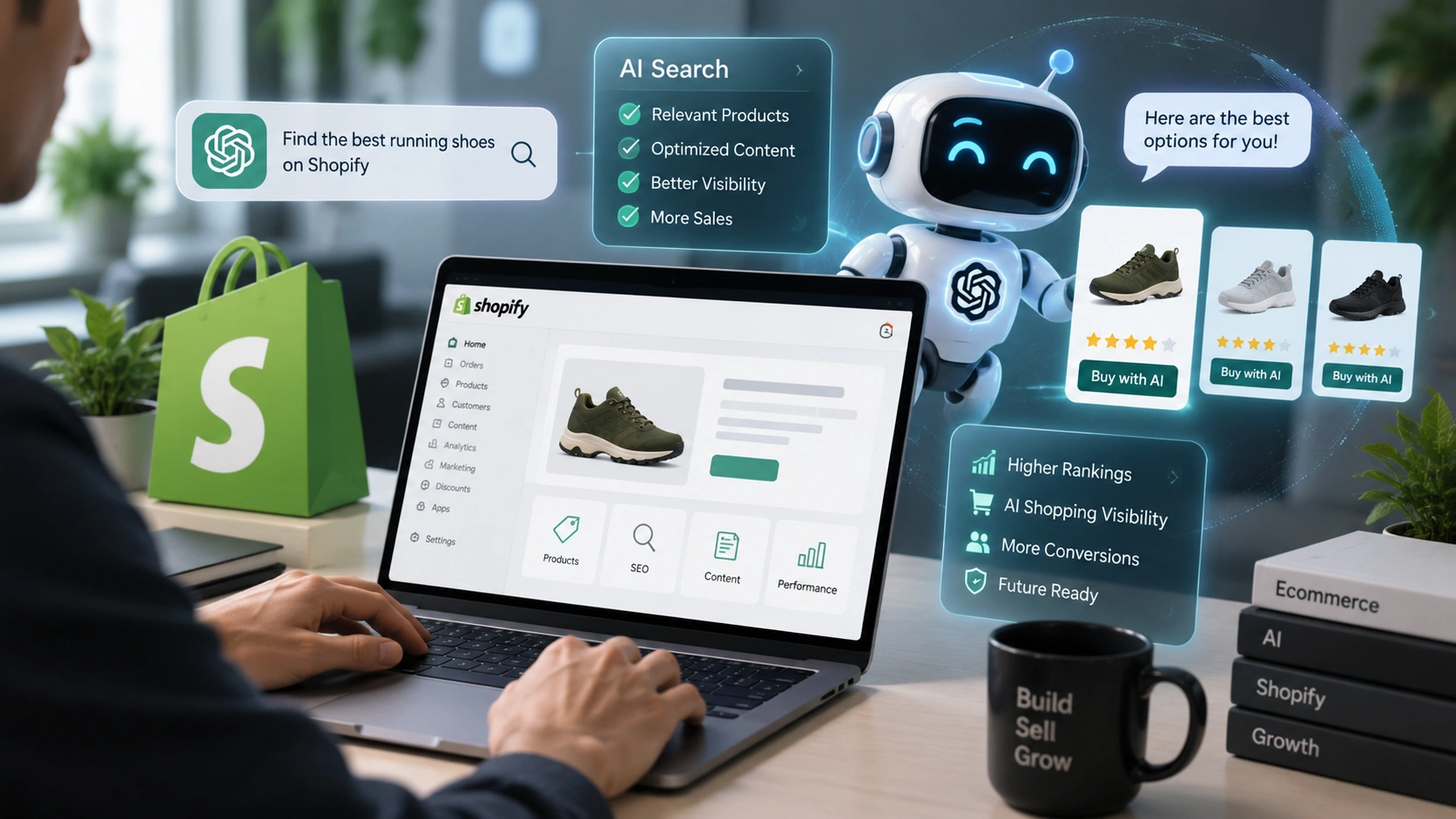
Shopify has committed hard to agentic commerce this year. Its Catalog for AI feeds structured product data to AI platforms, and in January it announced the Universal Commerce Protocol, an open standard co-developed with Google to let AI agents discover and buy from merchants at scale across surfaces like Google’s AI Mode, Gemini and Microsoft Copilot. A new Agentic plan also opened Shopify Catalog to brands that don’t otherwise sell on Shopify, purely so they can be discoverable in AI shopping surfaces.
The part worth being clear-eyed about: the specific model of “AI does the entire checkout for you” has had a rockier run than the announcements imply.
What actually happened with Instant Checkout
OpenAI launched Instant Checkout inside ChatGPT in September 2025, letting US shoppers buy without leaving the chat. It then quietly pulled the feature back in March 2026 after adoption stayed low, reportedly with only a handful of merchants ever having integrated it. Shopify has confirmed it’s still syndicating product listings to ChatGPT. It’s specifically the native in-chat checkout layer that stalled.
The practical read for merchants: AI-driven product discovery is genuinely expanding and worth preparing for, but AI-driven checkout replacing your storefront is not the settled trend some coverage suggests. That gives you a low-risk way to prepare: clean up product titles, metafields and structured data now so you’re ready for discovery-led traffic, without needing to bet on any one AI platform’s checkout experiment surviving the next twelve months. If you want a head start on that groundwork, our own breakdown of AI search and AEO strategies covers exactly what “AI-ready” product data actually looks like.
B2B is no longer a Plus-only feature
Company profiles, custom pricing, catalog segmentation, net payment terms and self-service buying have all moved to non-Plus plans this year. If you’ve ever quoted wholesale pricing over email or maintained a separate price list for trade customers, this closes a real gap.
It’s now genuinely possible to run a B2B storefront alongside your consumer store without stepping up to Plus, which changes the calculus for a lot of small-to-mid brands that assumed B2B tooling was out of reach.
Sidekick is becoming an operator, not just an assistant
Shopify’s AI assistant has shifted from answering questions to actually connecting store data, automation and execution. Ask it to review performance over the last month, flag anomalies, or draft a product description in your brand voice, and it can act on the answer rather than just describing one.
Shopify Magic’s product description generation has also improved noticeably. It now references your existing catalogue and tone rather than producing generic filler.
If you’re weighing whether Sidekick’s new automation is worth wiring into your actual workflows rather than just poking at it, that’s usually a faster problem to solve when you hire a Shopify developer who already knows the platform’s automation hooks.
Smaller changes worth knowing about
A few other updates from this Edition are worth a mention even though they won’t make headlines:
- Shop Pay’s reach has expanded further globally, which is a small but real conversion lever if a meaningful share of your traffic comes from outside your home market
- Hydrogen is now shipping monthly rather than on a slower cadence, with Vite support and more commerce primitives built in, which matters if you’re running or considering a headless build
- The Markets dashboard has had a visual overhaul, making it easier to see pricing, discounts and product availability by market at a glance
What we’d actually prioritise
Not every Edition update deserves action. If we were triaging this list for a client, we’d start with product data and structured content, since it compounds and pays off regardless of which specific AI checkout experiments stick around, look seriously at B2B if trade or wholesale is part of your business, and treat the rest as useful to know rather than urgent to implement.
If you want a second opinion on which of these are worth your team’s time, that’s exactly the kind of conversation our Shopify Development Services team is happy to have.
Not sure which Spring 2026 changes actually apply to your store?
We’re happy to walk through this Edition against your specific setup and tell you honestly what’s worth prioritising and what isn’t.