



- Shopify Admin
- When should you Hire a Shopify Development Company?
- Who are Shopify Experts?
- Freelancer vs Agency
- Why Does This Decision Matter More Than Most Business Owners Realize?
- Step 1 – Know What You Need Before You Start Looking
- Step 2 – Review Their Portfolio with Intention, Not Just Curiosity
- Check for Industry Familiarity
- Test Portfolio Stores on Your Mobile Device
- Look Closely at the Checkout Experience
- Strong Agency vs. Weak Agency – A Side-by-Side Look
- Step 4 – Understand How They Work Day to Day
- Step 5 – Ask the Questions That Show You How They Think
- Step 6 – Post-Launch Support Is Part of the Job, Not an Add-On
- Red Flags That Should Make You Slow Down
- Why should you Hire a Shopify Development Agency?
- Quality of Work
- Save Time
- User Experience
- Why Elsner Is a Shopify Development Partner Worth Talking To?
- What Elsner Brings to Shopify Projects?
- Pre-Hire Checklist – Run Through This Before You Decide
- Final Thoughts
- Frequently Asked Questions (FAQs)
- Q1. How much does it cost to hire a Shopify development agency in the USA?
- Q3. How long does it take to build a Shopify store?
- Q4. Can a Shopify development agency help with SEO after launch?
- Q5. What is Shopify Plus and does my business need it?
- Q6. How do I verify that an agency is a legitimate Shopify Expert?
- Q7. What should a Shopify development contract include?
- Q8. Can Elsner handle Shopify migration from another platform?
Here is a number worth pausing on – global Ecommerce sales are projected to grow from $6.42 in 2025 to $7.89 trillion by 2028. A large slice of that growth is being built store by store, on Shopify. That figure tells you one thing clearly – the window to build a well-performing store and claim your share of that market is wide open right now.
The challenge, of course, is that building a store is not the hard part. Finding the right Shopify development agency to build it – one that understands your business model, your customers, and your long-term goals – that is where most business owners run into trouble.
There are hundreds of agencies claiming to be Shopify experts. Some genuinely are. Others are not. The gap between those two groups shows up months later, in store performance, sales numbers, and your overall experience working together. This guide will help you tell them apart – before you sign anything. So, let’s get started:
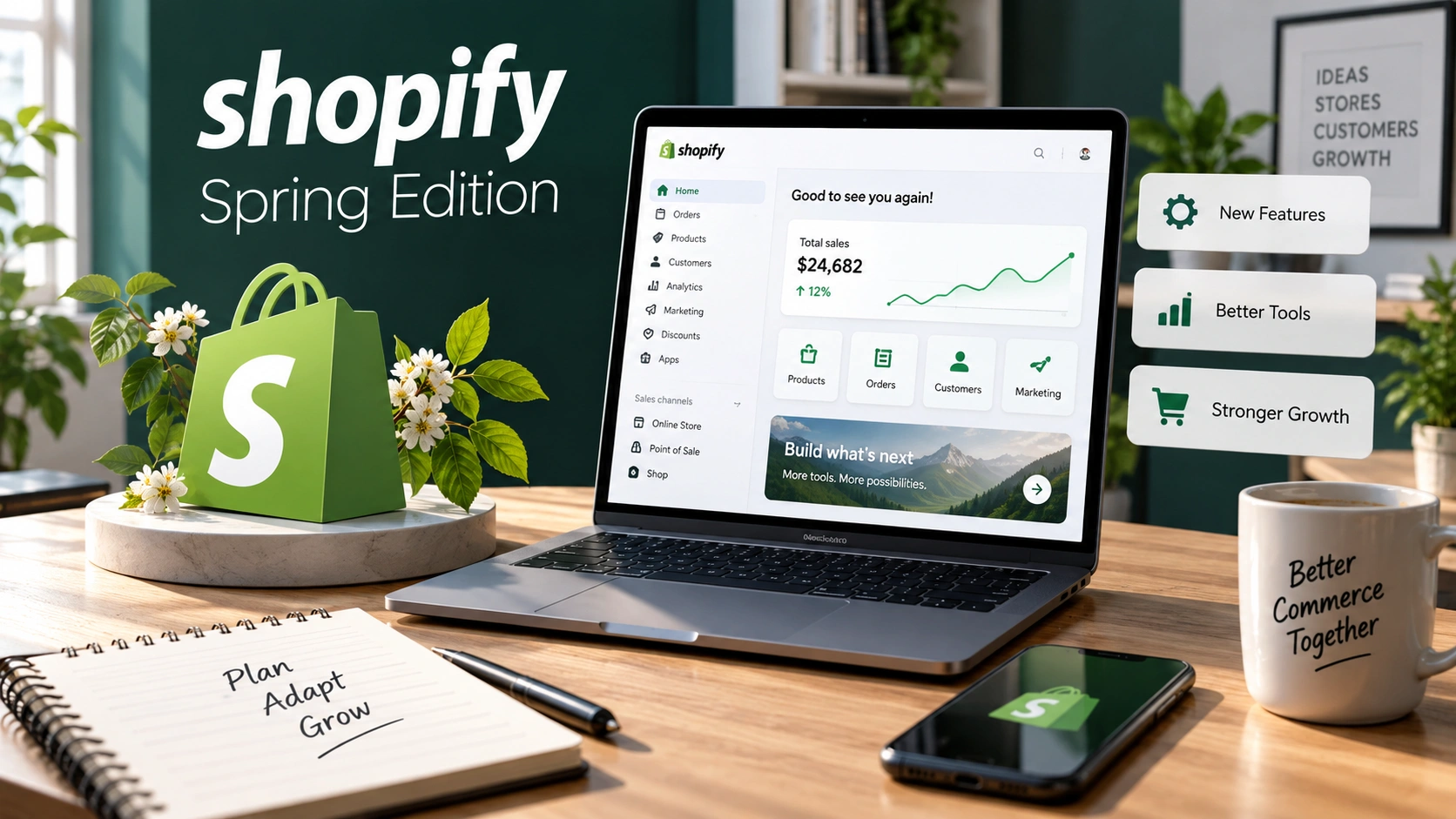
Shopify Admin
It has a wide range of reports and features that help in understanding the performance of the store. It has built-in tools to view the website in real-time, and know about the best product pages based on the views.
Free Features
Shopify offers a free theme that you can customize yourself or take help from the Shopify development services for better results. Customization can be performed on fonts, color schemes, adding photos, and many more according to the requirements of the business owner. You can easily build a great website using the Shopify tools and manage the content of the store.
Cloud Network
Avoid facing crashes in the server when it’s very important and work with Shopify as it works on a cloud network. Having website data on cloud networks ensures that the risk of entering downtime is very low.
Pricing plan
Shopify offers different subscription plans that can be chosen as per the requirements. The owner can easily shift into different plans as the business grows. This helps people with low budgets to start an online store easily.
Availability of Applications for Support
The business owner wants to have at least the minimal features in its store. Shopify has a collection of applications for adding functionalities like product sourcing app, countdown timers, image background remover, and many such helpful applications.
Easy to use
If you want to develop a basic store, you can do it with Shopify without any help from a developer. One can easily design a website, create sales, post products, and promote.
When should you Hire a Shopify Development Company?
Starting a basic online store might be an easy task for some people but managing it is a hefty task. Developing a store that you felt right for your business idea might not achieve the targets you have decided. Once you decide to get the Shopify development services from an organization they will understand your idea then research the online products, marketing strategies, and what can help in attracting more consumers. Even if you have built a basic structure they can add more functionalities and make it more responsive in the time of heavy traffic. Shopify experts can easily help you reach a wider audience and increase its digital visibility.
Who are Shopify Experts?
A certified professional who can help e-commerce retailers and apply their knowledge in giving the best services. Shopify experts have their strong section in building a website like designing, marketing, or development. You can hire a professional team of Shopify experts from a Shopify app development company that will ensure that the workflow is manageable and completed within a deadline. An organization with a great experience in the market is always trustworthy and motivated to take new challenges with each project they get. They assure you to give the best services and develop the business that has unique features to make it stand out in the crowd.
Freelancer vs Agency
Firstly, it all comes to the business owners, they have to be aware of their future goals, and basic requirements of the platform. You can also read the Shopify FAQs to get the answers to some doubts. A skilled and qualified freelancer may help in building a platform but you might fail in finding such professionals which can lead to losing your time and money. A freelancer might have his own deadline and priorities which can delay your development process. Whereas when you work with an agency they have a professional team that is focused on their strong section like content, design, SEO, or marketing. An agency ensures that the product is delivered in the given deadline, and you can easily coordinate with them regularly. They have your product as a priority and put in their best effort to give the best results.
Why Does This Decision Matter More Than Most Business Owners Realize?
A Shopify store is not a digital brochure. It is your most active salesperson – one that operates 24 hours a day, takes no days off, and either earns a customer’s trust in the first few seconds or hands them to a competitor. That level of responsibility deserves a development team that takes it seriously.
Most business owners realize this only after a painful experience. A store that crawls on mobile. A checkout flow that confuses first-time buyers. A Shopify theme that looked sharp in a demo but falls apart the moment real products are loaded into it. These are not minor inconveniences – they drain revenue quietly, every single day.
Choosing the right Shopify development company from the start means you avoid rebuilding the store six months later. It means your launch happens when it is supposed to. It means someone is genuinely accountable when something breaks after go-live. That kind of reliability is not a bonus – it is a baseline business requirement.
Step 1 – Know What You Need Before You Start Looking
This is the step most business owners skip – and it is the reason a lot of agency searches end in frustration. Before you evaluate a single Shopify development agency, take time to get a clear picture of what you are actually building.
Are you starting from scratch with a new Shopify store? Or are you migrating from WooCommerce, Magento, or a custom platform, and need your existing data moved cleanly? Do you need a fully custom Shopify theme built from the ground up, or will a well-configured premium theme handle your needs?
Think about integrations too. Does your store need to connect with an ERP system, a third-party inventory tool, or a CRM? Those are very different technical requirements compared to a standard Shopify setup. Not every agency handles all of these with the same level of skill. Knowing your requirements upfront narrows the field considerably – and saves you from wasting time on agencies that are not built for your type of project.
Step 2 – Review Their Portfolio with Intention, Not Just Curiosity
Every Shopify development agency will show you their best work. Your job is to look past the surface and ask harder questions. A portfolio should tell you how a team thinks – not just what they can put on a screen.
Check for Industry Familiarity
An agency that has built stores for fashion brands understands product photography, variant filtering, and size guides. That same agency may struggle with a B2B hardware company that needs complex pricing tiers and bulk ordering. Industry experience shortens the learning curve considerably. Therefore, look for portfolio examples that are close to your sector.
If they have built Shopify stores in your industry before, ask about the specific challenges they faced and how they handled them. The way an agency answers that question reveals far more about their depth than any portfolio screenshot ever will.
Test Portfolio Stores on Your Mobile Device
Open their sample stores on your phone. See how fast the pages load. Check how the navigation behaves on a small screen. Look at whether product images and call-to-action buttons are easy to interact with. Mobile Shopify performance is where most purchasing decisions happen. If their portfolio work does not hold up on mobile, that is worth noting before you move forward.
Look Closely at the Checkout Experience
The Shopify checkout flow is where cart abandonment either happens or does not. A clean, distraction-free, trust-building checkout is the difference between a completed sale and a lost customer. A skilled Shopify development team pays close attention to this part of the store – and it shows in their work. If their examples have cluttered or confusing checkouts, keep that in mind when evaluating them.
Strong Agency vs. Weak Agency – A Side-by-Side Look
|
Evaluation Area |
Strong Agency |
Weak Agency |
|
Portfolio quality |
Live stores, industry-specific examples |
Generic templates, broken links |
|
Technical skills |
Custom Liquid, API work, Shopify Plus |
Basic theme installation only |
|
Communication |
Dedicated project manager, regular updates |
Slow replies, unclear ownership |
|
Post-launch support |
Structured SLA, retainer plans available |
Goes quiet after delivery |
|
Performance focus |
Audits speed and Core Web Vitals |
Ignores page load time entirely |
|
Pricing transparency |
Clear scope, milestone structure |
Vague estimates, scope creep later |
|
Client references |
Verifiable contacts available |
Only self-reported testimonials |
|
Mobile quality |
Tested across devices before delivery |
Desktop-first, mobile broken |
Step 3 – Dig Into Their Technical Depth Directly
Design is the easiest thing for an agency to sell. Technical depth is harder to demonstrate in a pitch deck – but it is exactly what determines whether your store performs well as your business scales, or starts breaking down as traffic grows.
A capable Shopify development agency should be fluent in Liquid templating, the Shopify Storefront API, and custom app development on the Shopify platform. They should handle Shopify theme customization in a way that stays stable when Shopify releases updates – not one that requires emergency fixes every few months.
Bring up page speed in the conversation. Ask how they approach Core Web Vitals and where Shopify SEO fits into their build process. Ask how they handle performance when a product catalog grows from a hundred items to several thousand. Likewise, ask whether they write documented code. Their answers to these questions quickly separate skilled developers from people who install themes and label it development work.
Step 4 – Understand How They Work Day to Day
Technical ability without a clear process creates headaches – even when the code itself is solid. A Shopify development agency that communicates poorly, misses milestones, or quietly hands your project to junior staff mid-way through is a frustrating experience regardless of their credentials.
Find out how they manage projects. Do they use tools like Jira, Trello, or Asana to track progress? Who is your main point of contact throughout the engagement – a project manager, an account manager, or the developer directly? How often do they provide progress updates?
These are not bureaucratic questions. They tell you whether the Shopify development agency runs a professional operation or a loose group of individuals operating under one brand name. That difference matters enormously when decisions need to be made quickly and deadlines are approaching.
Step 5 – Ask the Questions That Show You How They Think
A discovery call is not just for the agency to pitch you. It is your best opportunity to assess how they approach problems before any money changes hands. Come prepared with direct, specific questions that require real answers.
- How do you handle scope changes after a project has started?
- Can you share two or three references from past clients we can contact directly?
- What does your post-launch support process look like – and what does it cost?
- Have you built Shopify Plus stores before, and what was the complexity involved?
- How do you approach Shopify SEO and performance optimization after launch?
- Who specifically will be working on our project from start to finish?
Likewise, pay attention to how they respond to you. Do they ask detailed questions about your business model, your customers, and your goals? Or do they jump straight to timelines and pricing? The better agencies listen before they propose. That habit shows up throughout the entire project – not just in the sales conversation.
Step 6 – Post-Launch Support Is Part of the Job, Not an Add-On
Launching a Shopify store is the starting point – not the end of the road. Your store will need updates as Shopify rolls out new features. It will need adjustments as your catalog expands, your traffic patterns shift, and your marketing strategies change. A good development partner stays with you through all of that.
Ask every Shopify development agency you speak with about what happens after the store goes live. Do they offer a maintenance retainer? Do they have a ticketing system for urgent issues? What is their average response time when something critical breaks – like a payment gateway failure or a broken product page?
Not only that, but confirm whether the same developers who built your store will be available for ongoing support – or whether you will be handed off to a different team after launch day. That continuity matters far more than most clients realize when they are still in the planning phase.
Red Flags That Should Make You Slow Down
Some agencies will say whatever is needed to win the contract. The signs below should prompt you to pause – or walk away entirely.
- They give a full price quote before asking a single question about your business
- Their portfolio links are broken or redirect to inactive stores
- They cannot explain Liquid or describe how Shopify’s core architecture works
- There is no written scope document, no milestone plan, no defined deliverables
- The pricing is unusually low with no clear explanation of what is or is not included
- They have no structured post-launch support – the relationship simply ends at delivery
That way, you protect both your investment and your timeline. Walking away from a suspicious proposal early costs you very little. Untangling a broken Shopify project for three months costs considerably more – in time, money, and lost revenue.
Why should you Hire a Shopify Development Agency?
People generally intend to take help from the Shopify development agency when they need to grow or manage their platforms on a certain timeline. A Shopify app development company can help you with various things like:
- Managing multiple tasks like designing, marketing, SEO Services or making it user-friendly
- Customization of Shopify theme or design according to your business needs
- They can handle the migration process from one platform to another.
- Work on the marketing portion to grab more attention and reach more people
- Build a sales strategy to save your money, and also provide benefits to the consumers
- They can help in adding the best images to enhance the look of product pages
It does not actually matter that you already have a website or want to work from scratch. You can take advantage of Shopify developers at any stage as there is always a scope for improvements. Getting professional Shopify development services can help in getting some fruitful results like:
Quality of Work
They are not just developers, they have experience in the market, and are specialized in the Shopify development. This makes their work on payment gateways, inventory systems, navigation, and checkout process easier and makes sure to provide the best features.
Save Time
Having the knowledge of the development process they can easily let you know the timeline and sometimes finish it before that. Agency has a professional team that makes sure to put in their efforts and manage each task efficiently.
User Experience
The future and growth of the store depending on the user-experience and services it provides. The experienced team will research the target audience and customize the platform as per their needs. In the long run, they will keep your platform updated and assist the consumers with the best services in the market.
Still, didn’t find an answer to your query? We think you have a lot to plan and organize in the store. We have a professional team that can answer all your queries and clear doubts. Reach us now and emerge your platform with the latest market trends.
Why Elsner Is a Shopify Development Partner Worth Talking To?
Elsner is a full-service IT development company with over 19 years of experience delivering web and mobile solutions to businesses worldwide. With more than 6,200 global clients, 9,500+ projects delivered, and a team of 250+ developers, Elsner brings a depth of experience that goes well beyond basic Shopify theme setup.
What sets Elsner apart is not just technical capability – it is the culture behind the work. The company operates on clear values: customer focus, mutual accountability, quality-driven delivery, and a level of transparency that clients rarely find in technology partners. Those values are not marketing language. They show up in how projects are planned, how timelines are managed, and how problems are handled when they appear.
Elsner has built solutions for businesses across fashion, furniture, healthcare, real estate, education, and many other sectors. That breadth of industry experience means the team adapts to your domain rather than pushing a one-size-fits-all approach onto your project. Therefore, when you work with Elsner, you are getting a team that already understands the business context behind the technology – not just the technology itself.
What Elsner Brings to Shopify Projects?
|
Capability |
Detail |
|
Years in operation |
19+ years across IT services and web development |
|
Active developers |
250+ across web, mobile, and Ecommerce |
|
Projects delivered |
9,500+ globally across multiple industries |
|
Client base |
6,200+ clients including USA-based businesses |
|
Industry coverage |
Fashion, healthcare, real estate, education, and more |
|
Ecommerce focus |
Dedicated Ecommerce process outsourcing vertical |
|
Own ventures |
ECOMVA, MyAppGurus, ELDI, Linkpublishers |
|
Support model |
Post-launch maintenance and ongoing technical assistance |
The leadership at Elsner – anchored by Founder and CEO Harshal Shah – has built the company around long-term client relationships rather than short-term deliveries. That philosophy carries through into every Shopify development project: defined scope, clear accountability, and a genuine interest in client outcomes, not just project closure.
Elsner also operates several of its own technology ventures, which means the team builds for real business challenges – not just client briefs. That keeps their skills sharp and their understanding of actual Ecommerce operations grounded in practice, not just theory.
Pre-Hire Checklist – Run Through This Before You Decide
|
Checklist Item |
Done? |
|
Defined project scope, goals, and budget range clearly |
⬜ |
|
Reviewed 3 or more live portfolio stores on a mobile device |
⬜ |
|
Confirmed they have worked in your specific industry before |
⬜ |
|
Asked about development process, QA, and handover steps |
⬜ |
|
Confirmed post-launch support options and associated costs |
⬜ |
|
Checked client references or reviewed verified case studies |
⬜ |
|
Reviewed contract terms, milestone structure, and payment schedule |
⬜ |
|
Confirmed the same dedicated team stays on throughout the project |
⬜ |
|
Asked how they handle Shopify SEO and performance post-launch |
⬜ |
Final Thoughts
Finding the right Shopify development agency takes more time than most business owners expect. That time is well spent. The cost of picking the wrong partner – in delays, rework, and lost revenue – is far higher than the cost of a careful evaluation at the start.
Begin with your own requirements. Work through the portfolio, the process, the technical depth, and the post-launch support model before committing to anything. Ask hard questions and expect specific answers. A team that handles your questions well during the evaluation phase will likely handle your project well once it begins.
If you are looking for a Shopify development partner that combines technical depth, industry experience, and a real commitment to client outcomes, Elsner is worth a direct conversation. The track record is there. The team is in place. The question is simply whether your project goals and their capabilities are the right match.
Frequently Asked Questions (FAQs)
Q1. How much does it cost to hire a Shopify development agency in the USA?
The cost depends on your project scope. A basic Shopify store setup using a premium theme typically ranges from $2,000 to $8,000. Custom Shopify theme development or complex integrations can push that figure to $15,000 or more. Shopify Plus builds for enterprise businesses, often go well above that range. Therefore, before you request quotes from any agency, document your scope clearly – it protects you from vague pricing and prevents scope creep from taking hold mid-project.
Q2. What is the difference between a Shopify developer and a Shopify development agency?
A freelance Shopify developer works independently and typically handles one project at a time. An agency brings a full team – designers, developers, project managers, and QA specialists working together. That structure matters for larger projects where multiple tasks need to run in parallel. Likewise, agencies generally offer more structured post-launch Shopify support compared to individual freelancers, who may not always be available after the project wraps.
Q3. How long does it take to build a Shopify store?
A standard Shopify store built on a premium theme with basic configuration typically takes four to six weeks. A fully custom-designed store with original Shopify theme development and third-party integrations usually takes eight to sixteen weeks. Complex projects involving data migration, ERP connections, or Shopify Plus configuration can take longer still. Timelines are also shaped by how quickly your team provides content, approvals, and feedback throughout the process.
Q4. Can a Shopify development agency help with SEO after launch?
Yes – and the best agencies build Shopify SEO foundations into the store during development, not as an afterthought. That means clean URL structures, proper metadata setup, fast page load speeds, and structured data markup. After launch, a capable Shopify development agency should support ongoing SEO work directly or coordinate smoothly with your dedicated SEO team to keep the technical foundation intact.
Q5. What is Shopify Plus and does my business need it?
Shopify Plus is the enterprise-grade version of Shopify, designed for high-volume merchants who need greater flexibility, custom checkout experiences, and access to dedicated Shopify support. It is generally recommended for businesses processing over $500,000 in annual revenue, or those operating across multiple channels, currencies, or markets. A qualified Shopify development agency can assess your business model and tell you honestly whether the upgrade makes sense – or whether standard Shopify covers everything you need.
Q6. How do I verify that an agency is a legitimate Shopify Expert?
Shopify maintains an official Shopify Partners program and a directory of verified Shopify Experts. Agencies listed there have gone through a baseline verification process. That said, being listed is a starting point – not a guarantee of quality. You still need to review their portfolio, check client references, and assess their process directly. Being a Shopify Partner confirms they meet platform requirements. Your own due diligence confirms whether they meet yours.
Q7. What should a Shopify development contract include?
A well-written Shopify development contract should cover a defined scope of work, a milestone and payment schedule, ownership terms for the store assets and code, a process for handling change requests, a testing and QA period before launch, and the terms of post-launch support. Hereby, both sides entered the project with aligned expectations from day one. If an agency resists putting these things in writing, treat that as a red flag worth acting on immediately.
Q8. Can Elsner handle Shopify migration from another platform?
Yes. Elsner has handled Shopify migrations from platforms including Magento, WooCommerce, and custom-built systems. The migration process involves moving product data, customer records, order history, and URL structures in a way that protects your existing SEO rankings and maintains data integrity throughout. Given Elsner’s background with 650+ Magento websites delivered, the team brings genuine platform migration depth to every project – not a generic approach.