 Zoho
Solutions
 Ecommerce
Development
 Web
Development
 AI
Solutions



- What Is Gemini SEO? The Four Surfaces Explained
- How Gemini SEO Differs From ChatGPT and Perplexity
- Index Source
- Knowledge Graph Access
- Multimodal Understanding
- Context Window and Gemini Deep Research
- How Google Gemini Chooses Sources: 7 Ranking Signals We’ve Seen
- How to Check Your Gemini Visibility in 75 Minutes
- On-Page Optimization to Optimize Content for Gemini
- Content Structure Changes
- Multimodal Content Changes
- Entity Reinforcement Changes
- Freshness Changes
- Technical Setup for Gemini Search Optimization
- Off-Site Signals That Compound in Gemini
- How to Measure Gemini Visibility
- Common Gemini SEO Mistakes
- FAQs
- What is Gemini SEO?
- How do I rank in Google Gemini?
- Is Gemini SEO different from Google SEO?
- Does Gemini use the same ranking factors as Google Search?
- How do I measure visibility in Google Gemini?
- Is Google AI Overview the same as Gemini?
- Your First 30 Days With Gemini SEO
- Want a Second Pair of Eyes on Your Results?
Your Google traffic is down, but your rankings look fine. Annoying, right?
AI Overviews explain part of it. The bigger picture is that Gemini now powers four different places where people get answers, and your old SEO reports can’t see most of them cleanly.
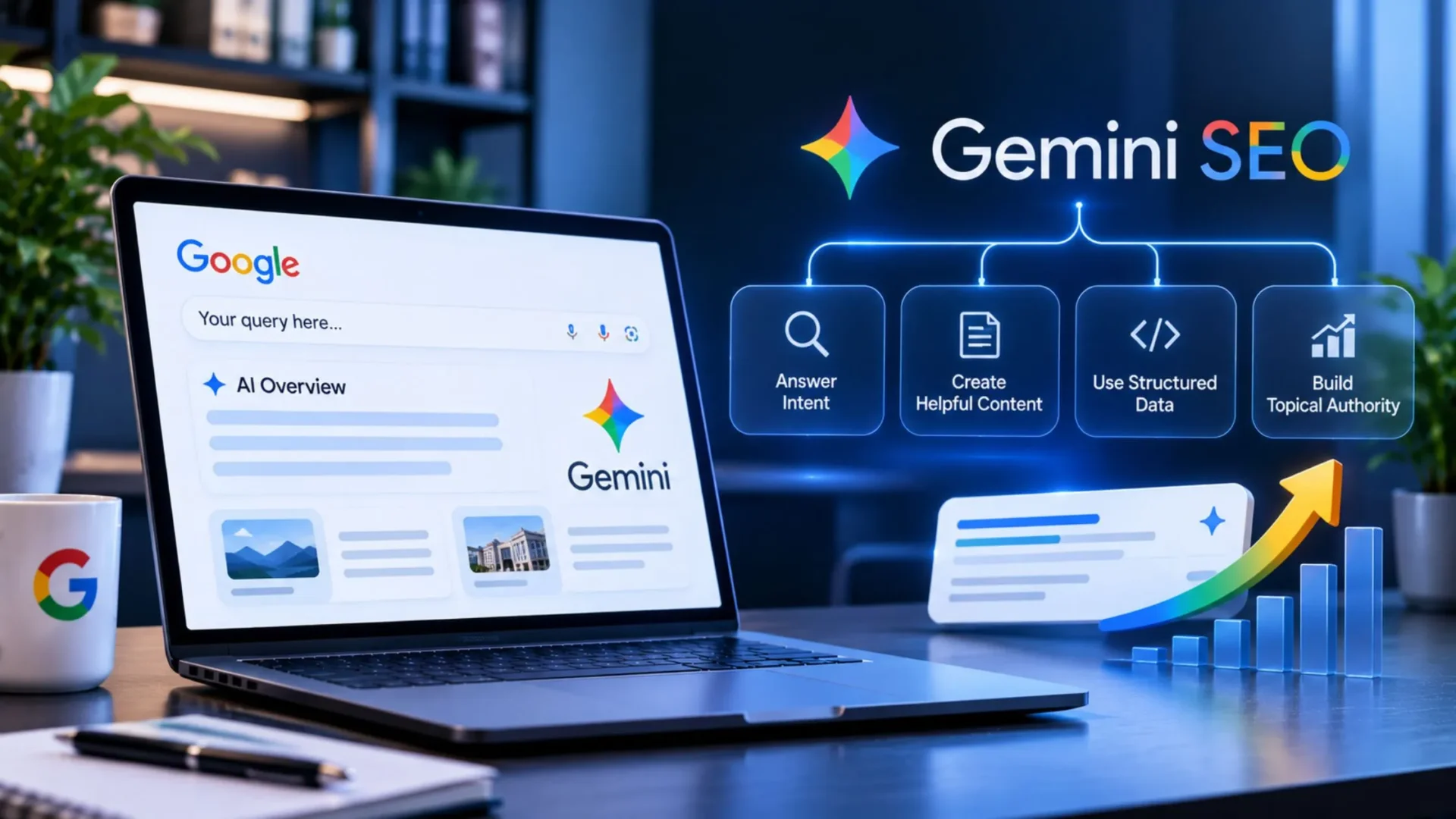
This isn’t another AI Overview article. It’s a model level playbook for Gemini SEO. We’ll cover what Gemini touches, where it pulls sources from, how to check your own visibility this week, and what to fix first. We run measurement on live client sites, so you’ll hear what we’ve actually seen, and where we’re still guessing.
What Is Gemini SEO? The Four Surfaces Explained
Gemini SEO is the work of making your content, your site, and your off-site presence easy for Google’s Gemini model to find, trust, and cite. That’s the short version.
The longer version starts with one idea. Gemini is a model, not a place. Google uses it in four places:
AI Overviews
The AI summary at the top of a regular Google results page.
AI Mode
A separate, chat-style search experience inside Google.
The Gemini App
The standalone chatbot at gemini.google.com.
Google Workspace
Features in Gmail, Docs and similar tools, like reply suggestions and document summaries.
Gemini used to be called Bard, by the way. Same family, new name, so older articles mix the two.
Here’s where most teams go wrong. They treat each surface as its own project. One person chases AI Overviews, someone else pokes at the Gemini app, and nobody owns the basics underneath. That doubles the work for no good reason.
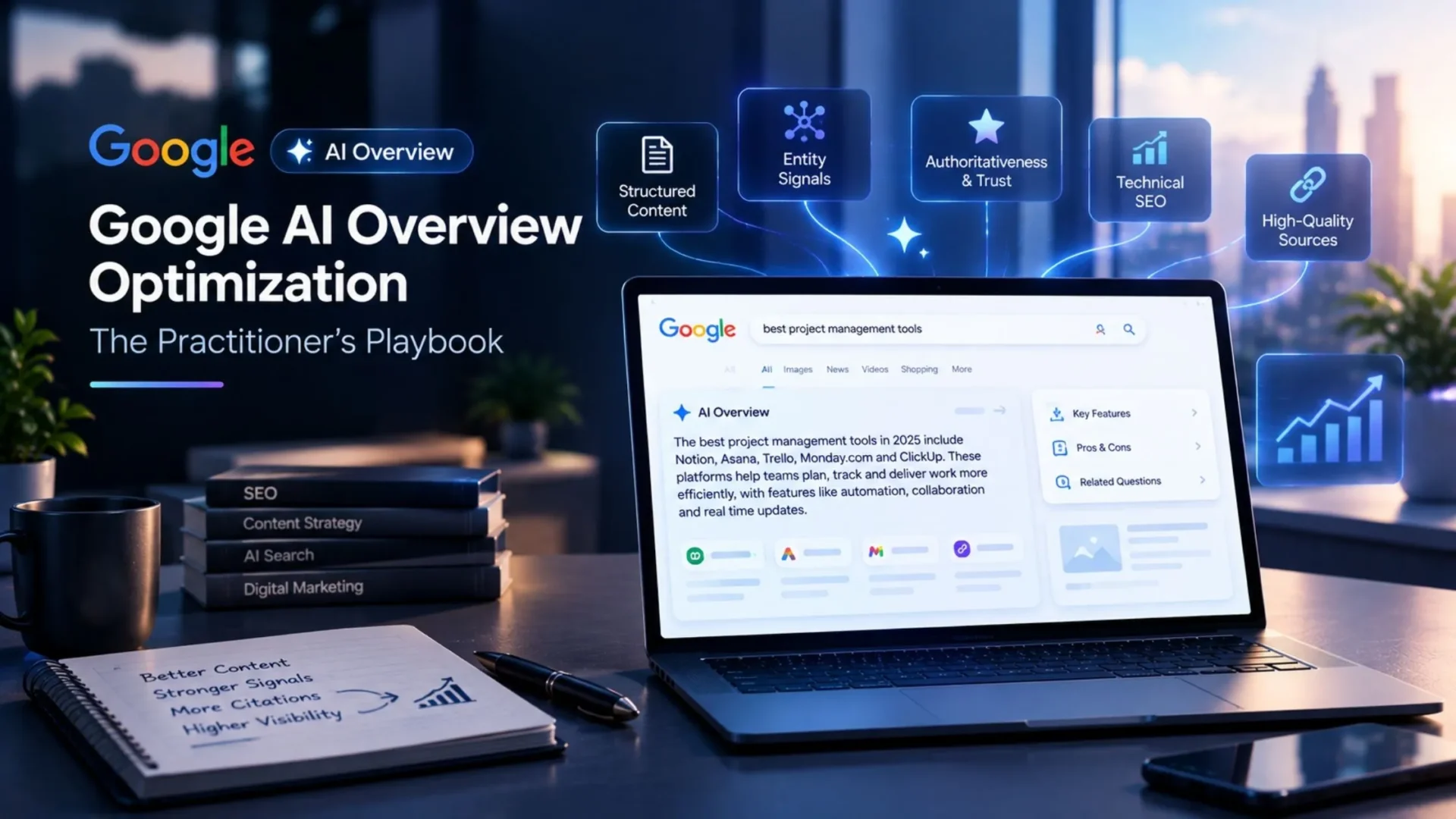
Optimize for the model and all four surfaces benefit. Not equally, though. Each one weighs signals a little differently, and we’ll flag where that matters. If you want a deeper look at the first surface, our guide to Google AI Overview optimization covers it.
One honest note before we go on. Google published its own guide to generative AI search in May 2026, and the position is blunt: optimizing for generative AI search is still SEO. We agree with the core of that. What we add here is the model-level view and a way to measure it.
How Gemini SEO Differs From ChatGPT and Perplexity
If you’ve already worked on ChatGPT visibility, don’t assume it carries over. Our LLM SEO guide covers the shared basics. Here’s where Gemini splits off.
Index Source
Gemini draws on Google’s own index. ChatGPT search blends Bing, OpenAI’s own crawler, and partner data. Perplexity runs mostly on its own crawler.
So if your SEO has always been Google-focused, you’ve got a head start on Gemini that you don’t have on ChatGPT. Use it.
Knowledge Graph Access
Gemini can pull entity details from Google’s Knowledge Graph. ChatGPT and Perplexity have nothing equivalent. In practice, being a clearly defined entity, with a Wikipedia or Wikidata footprint, likely counts for more here than anywhere else.
Multimodal Understanding
Gemini was built to handle text, images, video and audio together. In what we’ve tracked, image quality, video captions, and YouTube presence seem to matter more for Gemini than for text-focused tools.
Context Window and Gemini Deep Research
Newer Gemini models can take in very long inputs, often a million tokens or more. For Deep Research style prompts, that means a long, thorough page can get read in full. A thin 600-word page has less to offer.
How Google Gemini Chooses Sources: 7 Ranking Signals We’ve Seen
Quick warning first. Google doesn’t publish how Gemini picks sources. Everything below is an observed pattern, not a confirmed ranking factor. Treat these as working hypotheses and check them against your own data.
|
1
|
Top 10 Google RankingsGemini draws heavily from pages that already rank on page one. If you’re sitting outside the top 10, Gemini visibility isn’t your first problem. Rankings are.
|
|
2
|
Entity Presence in the Knowledge GraphBrands with a Wikipedia page, a Wikidata entry and consistent mentions across the web get cited more often in our tracking. This is probably Gemini’s biggest structural edge over other LLMs.
|
|
3
|
Structured, Extractable ContentQuestion-headed sections, short lists, definition blocks, and tables get lifted cleanly. Long narrative paragraphs? Harder to quote, so they get quoted less.
|
|
4
|
FreshnessAI Mode and Deep Research both seem to favor recently updated pages. The Gemini app leans the same way for current events prompts.
|
|
5
|
Schema Markup
|
|
6
|
Multimodal AssetsAlt text quality, literal image file names, video transcripts, and a YouTube presence. Text-only competitors can’t play this card.
|
|
7
|
Author AuthorityByline schema, real author pages, and off site presence on LinkedIn or in publications line up with more citations on health, money and expert opinion queries.
|
Want the version that works across engines? Here’s how to optimize content for AI search more broadly.
A note on method. These signals come from observation across the Elsner client portfolio, tracked on live Gemini surfaces. We don’t have insider access to Google’s systems, and Google rarely confirms specific weightings. So no, you shouldn’t treat any single signal as a rule.
How to Check Your Gemini Visibility in 75 Minutes
You don’t need a tool for this. You need a spreadsheet and about an hour and a quarter.
|
1
|
Pick Your Queries (10 Minutes)Choose 30 to 50 priority queries where AI Overviews and AI Mode show up.
|
|
2
|
Check AI Mode and the Gemini App (20 Minutes)Run each query in both. Log whether your domain is cited and in what position.
|
|
3
|
Check the Regular SERP (10 Minutes)Look at the AI Overview for the same queries.
|
|
4
|
Sort Misses by Surface (10 Minutes)Missing from the AI Overview but present in AI Mode is a different problem than missing from both.
|
|
5
|
Study the Winners (10 Minutes)For each miss, look at the top three cited sources. Spot the pattern: entity strength, freshness, or format.
|
|
6
|
Build Your Priority List (15 Minutes)Group fixes by surface.
|
One bonus. Search Console now has a Generative AI performance report. It shows your impressions inside AI Overviews and AI Mode by page, country, and device. No clicks, no queries, and nothing on the Gemini app. Still, it’s the only first-party number you get, so use it.
Want a head start? Download our Gemini visibility tracking template as a Google Sheet or Excel file.
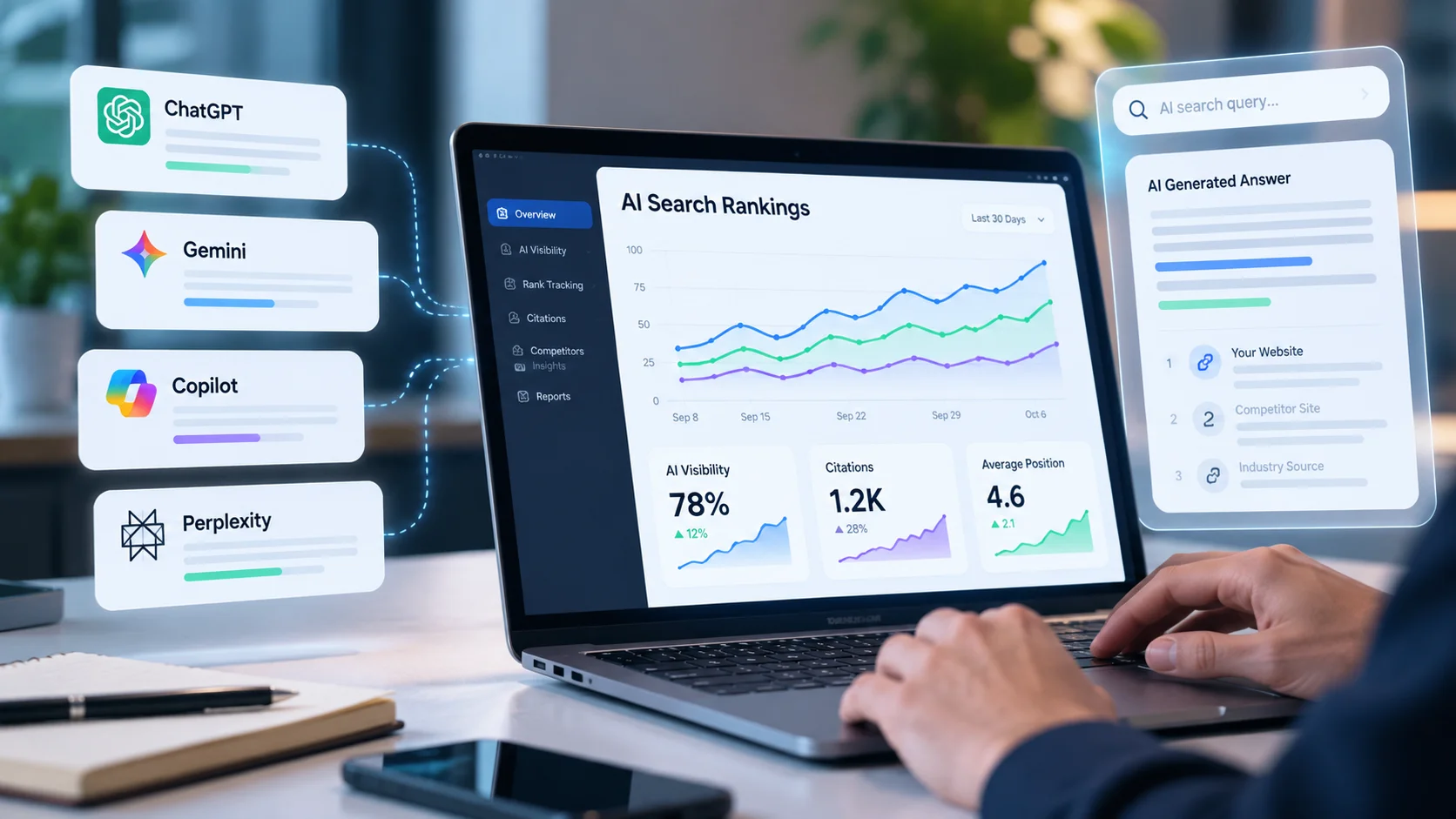
Manual checks work fine up to a few dozen queries. After that, they get painful. Tools like Semrush AI Toolkit, Ahrefs Brand Radar and Peec AI automate the job across engines. Graduate to a paid tool when you’re checking weekly or tracking more than a few dozen prompts. Our breakdown of AI visibility tools compares the options, and AI rank tracking explains how often to check.
On-Page Optimization to Optimize Content for Gemini
Every change below has the same three parts: what to change, why it matters for Gemini, and how to test it. For the broader picture, see our generative engine optimization services.
Content Structure Changes
Lead each section with a direct answer in the first 40 to 60 words. Gemini lifts clean answers, and readers like them too. Break long pages into question-headed blocks that match People Also Ask phrasing. Add a short definition at the top of conceptual sections. Use tables for comparisons.
Don’t chop pages into tiny pieces just for a machine. Google has said that’s not required. Write for people, then make the answers easy to find.
How to test: rerun your diagnostic queries two to four weeks after the rewrite.
Multimodal Content Changes
Swap stock photos for original images with real alt text. “Team reviewing a Gemini citation report” beats “image1.jpg” every time. Add transcripts or captions to video embeds. If you publish an infographic, put the data in text right beside it. Name image files and write captions that describe the image literally.
Why Gemini cares: it reads images and video, so descriptive signals give it more to work with. Test: check whether image-rich pages get cited more than text-only ones in your log.
Entity Reinforcement Changes
- Use your brand, product, and category names the same way on every page. Don’t vary the wording “for SEO”
- Link to Wikipedia, Wikidata, and authoritative category sources where it’s natural
- Add author bylines that link to author pages
- Add Organization and Person schema
Test: search your brand in AI Mode and see whether the description matches how you describe yourself.
Freshness Changes
Show a visible last updated date on every page. Refresh your top 20 organic pages every quarter. Replace old statistics with recent ones and date them. That’s it. Boring, but it works.
Test: compare citation rates on refreshed pages against pages you left alone.
Technical Setup for Gemini Search Optimization
Most of this is normal technical SEO. A few items get extra weight for Gemini.
✅ Schema Priorities
Start with Article, FAQPage, HowTo, Product, Organization, VideoObject and ImageObject. VideoObject and ImageObject matter more here than for ChatGPT because of Gemini’s multimodal strength. One caveat: Google says schema isn’t required for AI Overviews or AI Mode. Keep using it for rich results and clarity, but don’t expect a magic lift.
✅ Google Indexing Health
Clean indexing in Search Console comes first. If Google can’t index a page, Gemini can’t use it from Google’s index either. Fix crawl errors, submit XML sitemaps, and clear coverage warnings. Our answer engine optimization services team starts every audit here.
✅ Image Technical Setup
Serve original images from your own domain, not from CDN subdomains that muddy attribution. Write alt text that describes, not stuffs keywords. Use WebP or AVIF for speed.
✅ Video Technical Setup
Publish the transcript on the page next to the embed. Add VideoObject schema with contentUrl and transcript fields. Link your YouTube channel to your Google Business Profile.
⚠️ llms.txt File
Adoption is patchy and Google says it doesn’t need one for its AI features in Search. We haven’t seen proof that it moves Gemini citations. It’s cheap to add, so some teams do it for other AI tools. Just don’t count on it. For a look at tools that check this kind of thing, see our list of top LLM SEO checking tools.
✅ Core Web Vitals
Faster, more stable pages seem to get cited more than slow ones on the same topic. This pattern shows up across all four surfaces in our tracking.
Off-Site Signals That Compound in Gemini
Gemini’s tie to the Knowledge Graph means off site entity work compounds harder here than on other LLMs. For the bigger comparison, see our GEO vs AEO vs SEO comparison.
Wikipedia and Wikidata
The highest value asset, and the easiest to get wrong. Wikipedia has strict notability and conflict of interest rules. A promotional page written by your own team gets deleted fast. Do it right or don’t do it.
Mentions in Authoritative Publications
Digital PR that lands you in respected publications strengthens the entity signal. Quality beats volume here. Three mentions in trade publications your buyers actually read will do more than thirty in random directories. And keep your brand name and description consistent every time, because Gemini is matching patterns across sources.
Google Business Profile Consistency
Address, hours, phone, category and service area must match across the web. Mismatches confuse entity matching. It’s dull work, but a quick audit of your listings, directories and social profiles often turns up old addresses and retired phone numbers that nobody remembered.
YouTube Presence
A linked channel with original video helps Gemini’s visibility in ways it doesn’t for ChatGPT. You don’t need a studio. A clear screen recording or a short expert walkthrough, with a proper title, description and transcript, gives Gemini something real to read.
Reviews on Structured Platforms
G2, Capterra, Trustpilot and Google reviews all feed the entity signals Gemini reads.
How to Measure Gemini Visibility
Track each surface on its own. Lumping them together hides where the work is needed.
Citation Share Per Surface
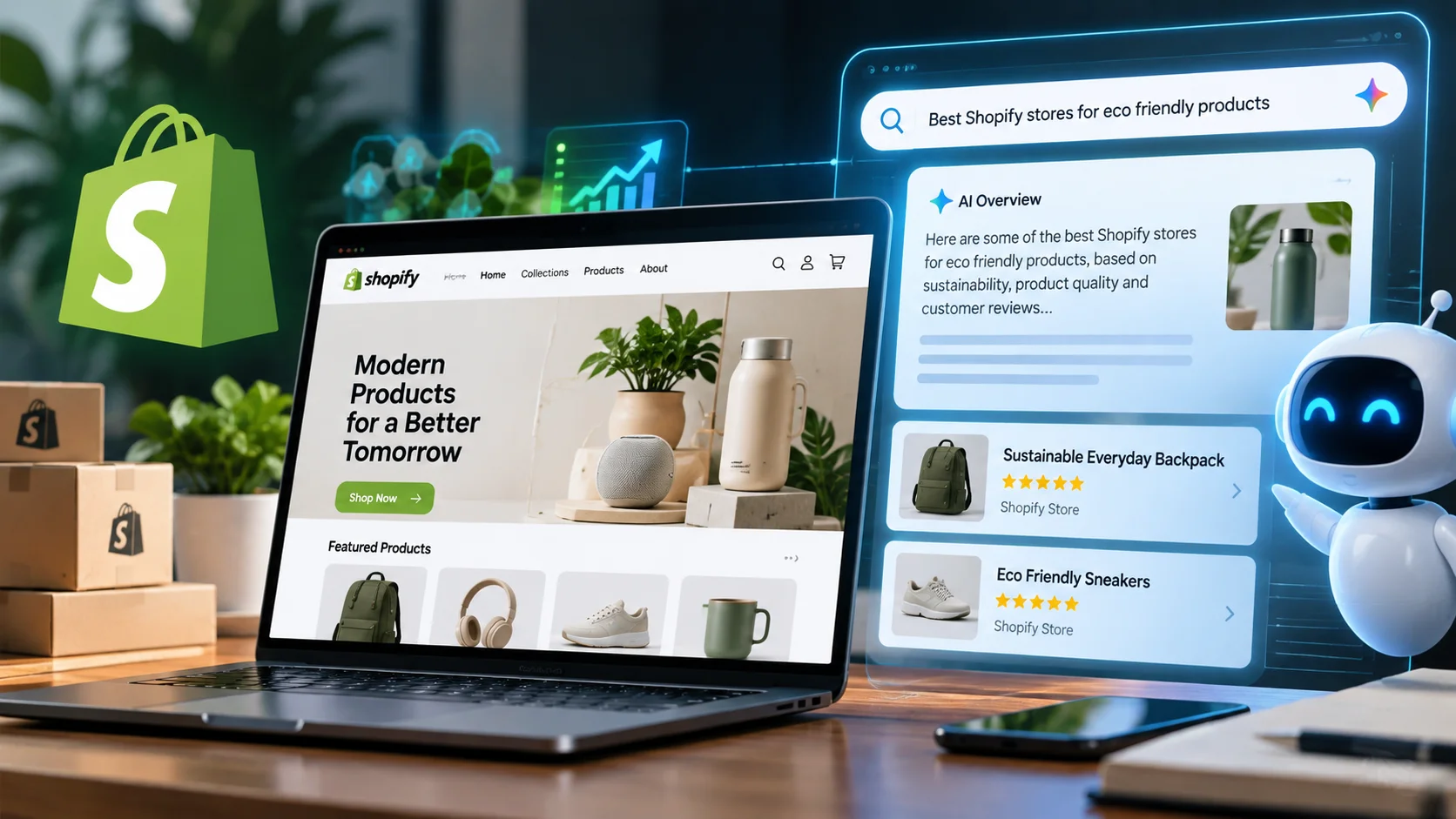
Log AI Overview, AI Mode and Gemini app citations in separate columns. A single blended number hides the story. You might be doing well in AI Overviews and be invisible in the Gemini app, and those are different fixes. If you run a store, our guide to GEO for Shopify shows how product pages fit in.
Entity Strength Signals
Check Knowledge Graph API coverage, Wikipedia page views and Wikidata completeness. These won’t move week to week, so look at them monthly. If your entity data is thin or wrong, that’s usually why citations stall.
Brand Search Lift
This is the slow signal. Expect 6 to 12 weeks before Gemini citations show up as more people search your brand name.
Workspace Signals (Limited)
Honestly? There’s no clean way to measure Gemini inside Workspace yet. We’re not going to pretend otherwise.
What to Stop Tracking
Featured snippet appearance is a weaker signal now. For most commercial queries, citation across the four surfaces tells you more.
Here’s a sample weekly tracking template:
Common Gemini SEO Mistakes
⚠️ Optimizing Only for AI Overviews
AI Mode and the Gemini app need attention too, and people are using both more every month.
⚠️ Running Gemini SEO as a Separate Project
It shares most of its work with regular Google SEO. A second team doing the same job under a new name is wasted budget.
⚠️ Skipping the Multimodal Angle
Skipping it because your team only makes text. Start small: original images and captions.
⚠️ Confusing Gemini SEO With Prompt Engineering
Writing better prompts for the Gemini app won’t get you cited.
⚠️ Cutting Google SEO Spend Too Early
Doing it because AI referral traffic looks low. Brand search lift takes 6 to 12 weeks to appear.
⚠️ Skipping the Knowledge Graph Work
Skipping it because it feels slow. It is slow. It also compounds, and your competitors probably aren’t doing it yet.
FAQs
What is Gemini SEO?
Gemini SEO is the practice of optimizing your content, site, and off-site presence so Google’s Gemini model surfaces and cites you. It covers four places: AI Overviews, AI Mode, the Gemini app, and Google Workspace. Most of the work builds on regular Google SEO.
How do I rank in Google Gemini?
Gemini isn’t a ranked list, so you earn citations instead. Rank well in Google, write pages with clear answers, build a recognizable brand entity, and keep key pages fresh. Nobody can promise a citation, and we won’t either.
Is Gemini SEO different from Google SEO?
Mostly no. They share the bulk of the work: indexing, content quality, links and technical health. The differences live in the extras, like entity work, multimodal assets and tracking each AI surface separately.
Does Gemini use the same ranking factors as Google Search?
Google says its AI features in Search rely on its core ranking and quality systems, so there’s heavy overlap for AI Overviews and AI Mode. The Gemini app and Workspace behave differently, and Google hasn’t published how. Treat the signals in this guide as observed patterns.
How do I measure visibility in Google Gemini?
Track AI Overviews, AI Mode, and the Gemini app separately. Search Console’s Generative AI performance report covers impressions in the first two, while manual checks or a paid tool cover the app. Add brand search lift over 6 to 12 weeks.
Is Google AI Overview the same as Gemini?
No. Gemini is the model. AI Overviews is one place Google uses it, alongside AI Mode, the Gemini app, and Workspace. They share the model but weigh signals differently.
Your First 30 Days With Gemini SEO
Feeling buried? Don’t be. Three moves will get you most of the way.
|
1
|
Run the DiagnosticRun the diagnostic above and log every miss by surface.
|
|
2
|
Audit Your Entity FootprintWikipedia, Wikidata, and Google Business Profile consistency.
|
|
3
|
Pick Five PagesRewrite them for clean answers, add original images or video, and refresh the dates.
|
Gemini SEO rewards the brand that treats it as a 12-month habit, not a one-sprint project.
What this guide doesn’t cover: Workspace measurement and enterprise Gemini deployments. We’ll add both when we have data we trust. We also refresh this guide every quarter, because Gemini’s behavior shifts with each model release.
Want a Second Pair of Eyes on Your Results?
If you’d like a second pair of eyes on your results, our generative engine optimization services team can run the audit with you.