




- The shift in 2026 is structural, not cosmetic
- What’s Actually Changing in Ecommerce This Year
- The 14 Ecommerce Trends Shaping 2026
- Agentic Commerce Moves From Demo to Production
- Answer Engine Optimization Replaces Classic Product SEO
- GEO Decides Whether You Show Up in ChatGPT and Gemini
- Google AI Overview Is Eating Top-Funnel Traffic
- Composable Commerce Becomes a Mid-Market Decision
- Conversational Commerce Moves Past Generic Chatbots
- Visual and Semantic Search Redefine Product Discovery
- First-Party and Zero-Party Data Become the Only Durable Asset
- Generative AI Powers Real Personalization, Not Just Segments
- Quick Reference: Platform Direction in 2026
- More Trends Worth Tracking in 2026
- Livestream and Social Commerce Mature in the US
- Flexible Payments Expand Beyond BNPL
- Quick Commerce and Forward-Deploy Fulfillment Reset Expectations
- B2B Ecommerce Finally Looks Like B2C
- Returns, Dupe Culture, and Resale Move to the Front of Strategy
- How to Decide Which Trends Are Worth Your Time
- Does It Match Your Category and AOV?
- Can Your Stack Support It Without a Replatform?
- Is Your Data Foundation in Place?
- Can You Run a Small Pilot Before Committing?
- What This Means for Your 2026 Roadmap
- Need Help Turning These Trends Into a Real Plan?
- Frequently Asked Questions
- Final Word on Ecommerce Trends in 2026
- Focus beats coverage in 2026
Ecommerce in 2026 looks different from how it looked even eighteen months ago. AI agents are placing orders on behalf of shoppers. Google’s AI Overview is answering product questions before anyone clicks a result. Composable storefronts have moved out of enterprise-only territory. First-party data has quietly become the only growth lever that actually holds.
For brand owners, ecommerce directors, and marketing leads trying to plan a 2026 roadmap, the real question isn’t which trends are real. Most of them are. The harder question is which ones actually matter for your category, your stack, and your customer.
The shift in 2026 is structural, not cosmetic
Global retail ecommerce sales are projected to keep climbing in 2026, with Statista forecasting continued growth in every major region. The bigger story sits underneath that number. Product discovery has moved from search engines to AI assistants. Conversion has moved from PDPs to agent-driven checkout. Personalization has moved from broad segments to one-to-one in real time. Google’s May 2026 core update reinforced what most marketers already suspected: shallow, listicle-style content with no first-hand insight is being pushed down for good. This guide covers what’s actually shifting, why it matters, and what to do about each piece.
What’s Actually Changing in Ecommerce This Year
Most of the noise around 2026 trends comes from the same recycled list. Voice commerce. AR try-ons. Sustainability. Those are real but old. What’s new is the speed at which AI has started rewriting the rules underneath. Discovery, search, checkout, fulfillment, and post-purchase have each picked up something genuinely different in the past twelve months.
Watch for these shifts in particular:
- AI agents are now placing orders on their own, without users clicking through traditional checkout flows
- Answer Engine Optimization (AEO) and Generative Engine Optimization (GEO) outweigh classic SEO for high-intent product queries
- Google’s AI Overview is intercepting top-of-funnel traffic before anyone reaches a product page
- Composable and headless commerce have stopped being enterprise-only plays
- First-party and zero-party data have become the only durable growth assets
- Returns, dupes, and resale moved from “things to track” to active revenue levers
- B2B ecommerce has finally caught up to B2C user expectations
If two or three of those apply to your category, you’ve got a 2026 roadmap problem worth solving now.
The 14 Ecommerce Trends Shaping 2026
We’ve ordered these by impact, not by hype. The ones at the top will shape budgets and roadmaps. The ones lower down are still worth tracking, especially if you sell in fashion, beauty, electronics, or any high-AOV category.
Agentic Commerce Moves From Demo to Production
AI agents that browse, compare, and buy products on behalf of users are now in production. OpenAI’s ChatGPT agent mode, Perplexity Shopping, and Amazon’s Rufus all rolled out shopping capabilities through 2025 and early 2026. The problem they create: traditional funnels assume a human reads, clicks, and converts. Agents skip most of that. They scan structured data, compare specs, and check out through APIs. If your checkout requires a human to fill three forms across two pages, agents won’t make it through. This is where investing in AI agent development starts paying off.
Answer Engine Optimization Replaces Classic Product SEO
Searches with explicit buying intent now end inside AI Overviews and answer boxes more often than they end on PDPs. Salsify’s 2026 consumer research showed AI tools as one of the fastest growing product research channels for US shoppers. The fix isn’t writing more content. It’s writing content that answers the question directly, not content that ranks for it. Structured data, FAQ schema, and short definitional paragraphs above the fold do most of the work. For a deeper breakdown, see our guide on answer engine optimization.
GEO Decides Whether You Show Up in ChatGPT and Gemini
Generative Engine Optimization, or GEO, is what determines whether AI systems cite your brand when someone asks “best CRM for solo founders” or “most reliable running shoes for flat feet.” The signals are different from SEO. They include brand mentions across trusted sources, structured content density, and citation patterns the models actually trust. Mid-market brands are getting boxed out of AI citations in 2026 because they haven’t built citation footprint. The fix isn’t more blog posts on your own site. Our GEO vs AEO vs SEO comparison walks through the practical side.
Google AI Overview Is Eating Top-Funnel Traffic
Search “best running shoes for flat feet” in 2023 and you’d see ten organic listings. The same search today shows an AI Overview that answers the question, three product cards, and the first organic listing pushed below the fold. For ecommerce brands, top-of-funnel CTR is dropping even when rankings hold. The response isn’t to abandon SEO. It’s to write content AI Overview will quote, with citations the model can verify and structured data it can parse. Google’s own guidance on Search Central is worth reading directly.
Composable Commerce Becomes a Mid-Market Decision
Composable commerce used to mean a six-figure replatform and a year of engineering. In 2026, BigCommerce Catalyst, Shopify Hydrogen, and Adobe Commerce’s modular stack have brought it down to mid-market budgets. When it’s worth it: $5M+ revenue, omnichannel needs, custom UX requirements, or international expansion. When to skip it: sub-$5M revenue, stable category, or no engineering bandwidth. If you’re already considering the move, our explainer on headless Shopify storefronts is a useful starting point.
The real shift in 2026 isn’t that AI is replacing search. It’s that AI now sits between your customer and your search result, summarizing the answer before anyone reaches you. Brands that haven’t restructured their content for AI extraction are watching CTR drop quietly, even on keywords they still rank number one for. The fix is structural, not tactical.
Conversational Commerce Moves Past Generic Chatbots
WhatsApp Business now processes hundreds of millions of transactional messages per day globally. Voice commerce through Alexa and Google Assistant has matured for repeat-purchase categories like groceries and beauty. The generic FAQ chatbot is dying. What’s working in 2026 is contextual, voice-capable, multilingual assistants that handle real product questions and pull from your live inventory. See our notes on conversational AI for ecommerce for what the stack looks like in practice.
Visual and Semantic Search Redefine Product Discovery
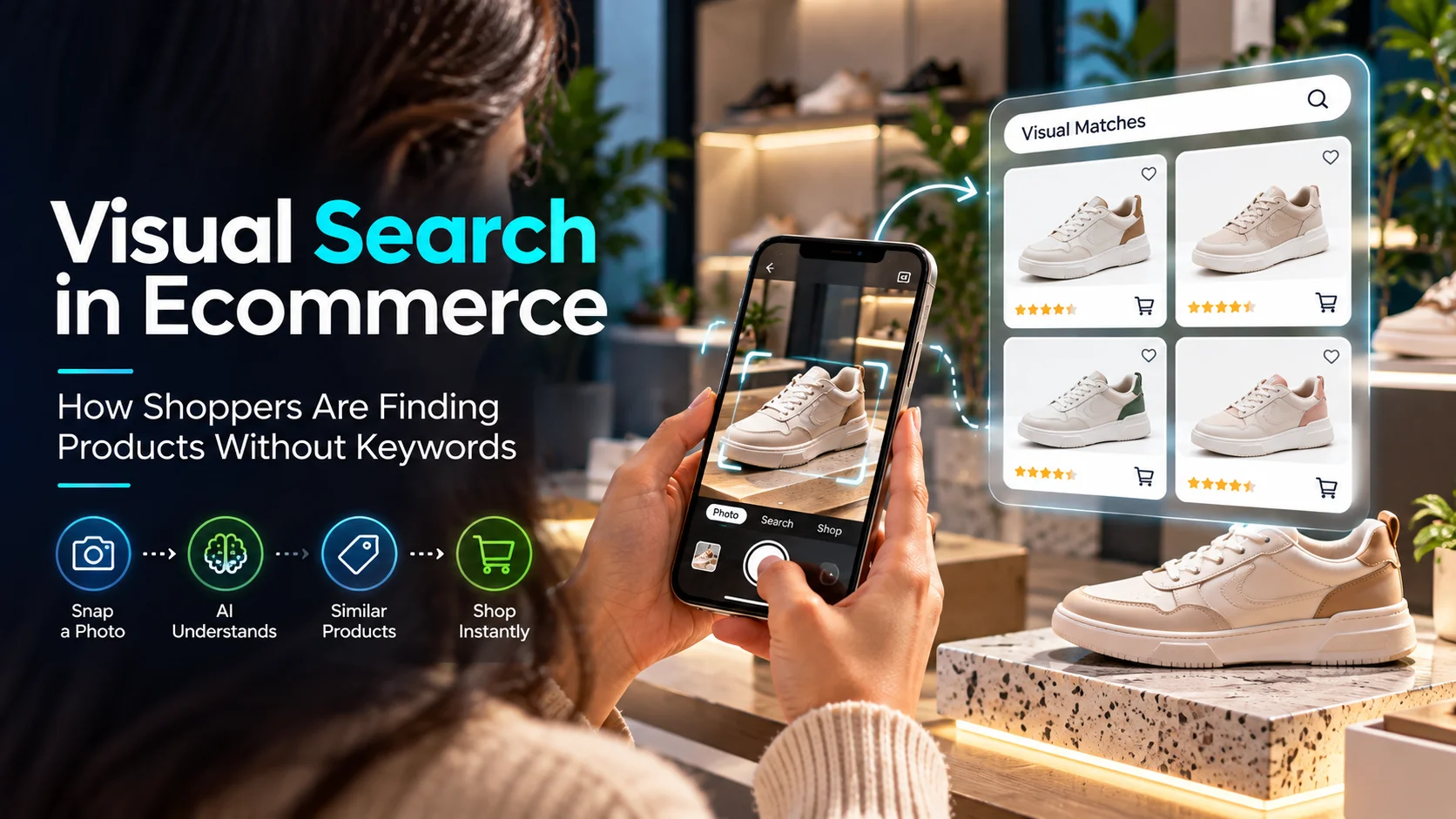
Pinterest Lens, Google Lens, and in-app camera search now drive a meaningful share of fashion and home goods discovery. Semantic search, which understands intent rather than just keywords, is becoming the default for storefronts handling complex catalogs. The infrastructure shift is real: image embeddings, vector search, and tagged metadata. Storefronts still running keyword-only search are losing discovery share to ones that have moved to vector-based product matching. This is one of those investments that doesn’t show up in vanity metrics but quietly improves AOV and conversion.
First-Party and Zero-Party Data Become the Only Durable Asset
With Chrome’s evolving cookie controls and continued iOS tracking restrictions, brands that haven’t built first-party data infrastructure are watching their customer acquisition cost climb year-over-year. What’s working: email and SMS list growth, on-site preference centers, post-purchase surveys, and zero-party data collection where users actively share preferences in exchange for personalization. The brands winning in 2026 own their data and rent the channels. McKinsey has shown that personalization done right can lift revenue between 5 and 15 percent, but it needs clean owned data to work.
Generative AI Powers Real Personalization, Not Just Segments
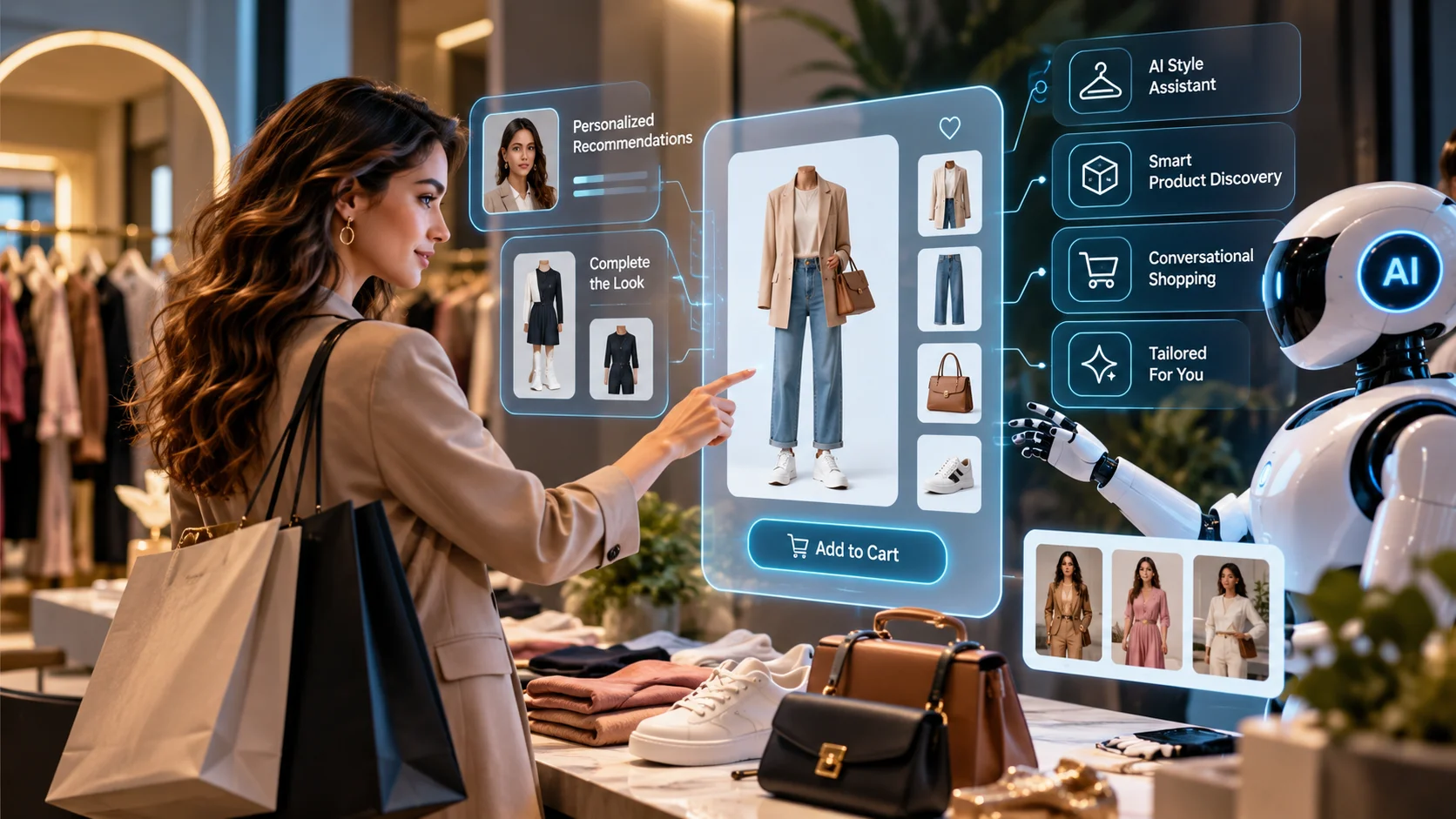
The “AI personalization” story has been around for years, but most of it was just better segmentation. What changed in 2026 is per-user generative AI that writes product copy, email subject lines, and homepage modules dynamically based on individual context. Brands running this well report meaningful lifts in homepage conversion. The catch: it needs clean first-party data to work, which is why trend 08 matters more in sequence. See our AI-driven ecommerce development piece for what the stack looks like.
Quick Reference: Platform Direction in 2026
Before we move into the next set of trends, this table summarises where most mid-market and enterprise brands are landing on platform decisions in 2026.
More Trends Worth Tracking in 2026
These next five are still meaningful, especially if you’re in fashion, beauty, electronics, or B2B. They don’t always make headlines, but they show up in the numbers.
Livestream and Social Commerce Mature in the US
TikTok Shop has scaled rapidly in the US market through 2025, with GMV in the tens of billions according to public reporting. Instagram Shopping and YouTube Shopping have caught up. Where it works: beauty, fashion, supplements, and food. Where it doesn’t: B2B, high-AOV durable goods, and most furniture. Worth piloting if your category fits the format. Skip if it doesn’t. Don’t force livestream because everyone else is doing it.
Flexible Payments Expand Beyond BNPL
Buy-Now-Pay-Later is now mature. What’s growing in 2026 is embedded credit offered at checkout based on purchase history, embedded insurance like return protection and damage protection, and stablecoin checkout for cross-border orders. Stores offering three or more payment methods consistently see lower cart abandonment than those offering one or two. If you haven’t expanded payment options in the past two years, this is worth a quick experiment in Q1.
Quick Commerce and Forward-Deploy Fulfillment Reset Expectations
Quick commerce, with delivery in 10 to 30 minutes, has trained shoppers in dense urban markets to expect same-day or next-day as standard. For mid-market brands, the answer isn’t to match it. It’s to be honest about delivery timelines and over-deliver on the ones you promise. Forward-deploy fulfillment centers, which are small inventory hubs closer to customers, are how mid-market brands are now getting two-day delivery without Amazon-scale infrastructure.
B2B Ecommerce Finally Looks Like B2C
B2B buyers, specifically the millennial and Gen Z procurement professionals now in mid-level roles, expect self-service quoting, account hierarchies, punchout integration, and embedded payments. The 30-page PDF catalog era is finished. What’s working: Shopify Plus B2B, Adobe Commerce B2B, and BigCommerce B2B Edition. Our piece on Shopify B2B commerce covers the stack-level shifts in detail, including punchout and account hierarchy setup.
Returns, Dupe Culture, and Resale Move to the Front of Strategy
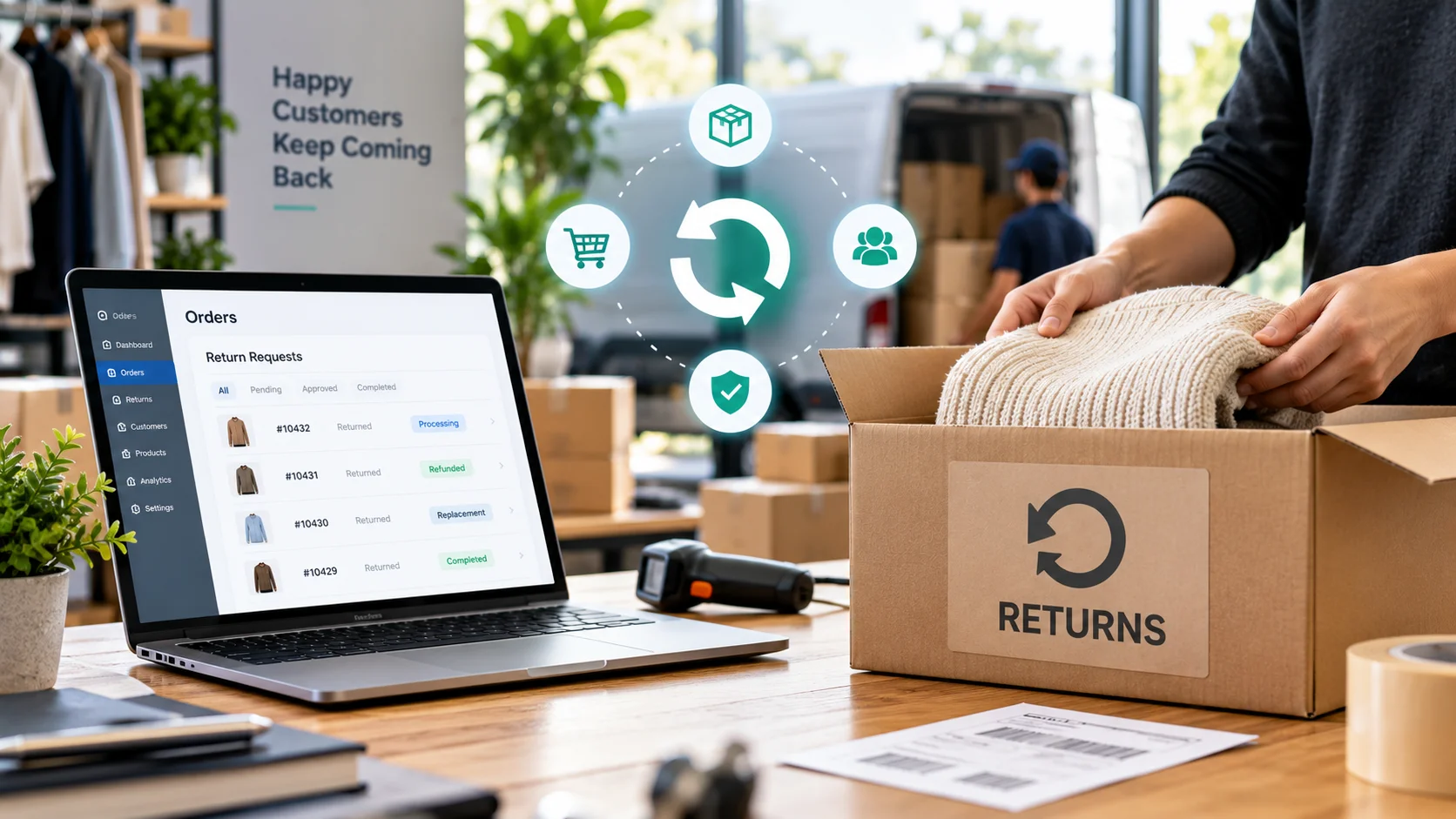
Returns are now a real P&L line, not a logistics afterthought. US ecommerce returns continued climbing through 2025, with the National Retail Federation reporting record return volumes. Dupe culture, especially in beauty and fashion, is reshaping how brands position quality. And resale has gone mainstream. Levi’s SecondHand, IKEA Buyback, and Patagonia Worn Wear show what brand-led resale looks like. For 2026, the brands treating post-purchase as a growth channel are the ones holding margin.
How to Decide Which Trends Are Worth Your Time
Not every trend deserves bandwidth. The brands that win in 2026 will be the ones that pick two or three of these and execute well, not the ones that try to do everything badly. These four checks help filter the list:
Does It Match Your Category and AOV?
Livestream commerce makes sense for beauty. It rarely makes sense for industrial parts. AR try-ons help for furniture and eyewear. They don’t help much for groceries. Match the trend to the buyer behaviour, not the press cycle.
Can Your Stack Support It Without a Replatform?
If a trend requires you to rip out your platform, the timeline and cost usually outweigh the upside. Look for trends you can pilot on your current stack first. Replatforming is a once-in-five-years decision, not an experiment.
Is Your Data Foundation in Place?
Most of the AI and personalization trends in 2026 need clean first-party data to work. If your customer data sits in three disconnected tools, the fancy AI layer won’t deliver. Sort the foundation first.
Can You Run a Small Pilot Before Committing?
Anything new should start as a contained experiment. One channel. One region. One product line. Three months. Then look at the data and decide whether to scale. Trends that can’t be piloted cheaply usually aren’t worth chasing.
For a deeper walkthrough of platform decisions for these scenarios, our ecommerce platforms guide covers the trade-offs in detail.
What This Means for Your 2026 Roadmap
2026 is less about adding more channels and more about consolidating data, rebuilding for AI-native discovery, and tightening operations. The brands that will outperform aren’t the ones with the longest trend checklist. They’re the ones who picked two or three high-impact moves and executed cleanly.
If you’re already on Shopify, BigCommerce, or Adobe Commerce and running well, the priorities are clearer than they look. Get your product data agent-ready. Restructure content for AEO and AI Overview. Move your first-party data infrastructure off ad hoc spreadsheets and into a proper CDP. Pilot one new trend per quarter, not five.
If you’re considering a replatform, this is the right year for it. The platforms have caught up. Composable is no longer enterprise-only. AI integrations are deeper than they were even twelve months ago. Our ecommerce development services team works on exactly these transitions for mid-market and enterprise brands across the US, UK, and Australia.
Need Help Turning These Trends Into a Real Plan?
Most of these trends sound exciting in a blog post. They’re harder to execute when your team is already stretched. Our ecommerce strategists have been planning roadmaps like this for mid-market and enterprise brands for over a decade.
Frequently Asked Questions
What are the biggest ecommerce trends in 2026?
The biggest shifts in 2026 are agentic commerce, where AI agents place orders for shoppers, the rise of Answer Engine Optimization and Generative Engine Optimization, Google AI Overview rerouting top-of-funnel traffic, composable commerce reaching mid-market budgets, and first-party data becoming the only durable growth asset.
What is agentic commerce in ecommerce?
Agentic commerce is when AI agents browse, compare, and purchase products on behalf of users instead of the user clicking through a traditional checkout. ChatGPT, Perplexity, and Amazon’s Rufus all rolled out shopping agents through 2025 and 2026. Brands need structured data and API-friendly checkout to support it.
How is Google AI Overview changing ecommerce SEO?
AI Overview answers product questions directly in search results, pushing organic listings below the fold. CTR is dropping even on number-one rankings. The fix is restructuring content for AI extraction with structured data, FAQ schema, and short definitional paragraphs that AI Overview can quote with citations.
What is the difference between AEO and SEO for ecommerce?
SEO optimises content to rank in traditional search results. AEO, or Answer Engine Optimization, optimises content to be quoted by AI answer boxes and assistants. Both matter, but AEO is increasingly important as AI Overview and answer engines intercept queries before users reach product pages.
Is composable commerce worth it for mid-size brands?
Composable commerce makes sense for brands above roughly $5M in revenue with custom UX needs, complex catalogs, or international expansion plans. It’s overkill for smaller brands or stable categories. Hybrid options like BigCommerce Catalyst and Shopify Hydrogen give mid-market brands most of the benefit with lower complexity.
Which ecommerce platforms support AI agents and agentic checkout?
Shopify, BigCommerce, and Adobe Commerce all support agentic checkout through their APIs, structured product feeds, and headless capabilities. The platform matters less than your data hygiene: clean product feeds, structured schema, and a checkout that doesn’t require multiple manual form submissions.
How should ecommerce brands prepare for the Google May 2026 core update?
The May 2026 core update rewards content with genuine first-hand insight, clear author expertise, and strong E-E-A-T signals. Thin listicle content and generic product blurbs are getting demoted. Brands should audit their content for original perspective, add author bios with credentials, and remove or rewrite shallow pages.
Final Word on Ecommerce Trends in 2026
The hardest part of planning around trends isn’t picking the right ones. It’s resisting the pressure to chase all of them. 2026 will reward brands that pick two or three high-impact shifts, build clean foundations underneath them, and let the rest go.
Focus beats coverage in 2026
The brands winning in 2026 aren’t the ones running every trend at once. They’re the ones who picked agentic commerce readiness, AEO restructuring, and clean first-party data, and executed those three deeply. Everything else can wait. If your team is stretched thin trying to chase the full list, you’re doing 2026 wrong.
And if you’re not sure where to start, a roadmap conversation is usually faster than another quarter of guessing. Talk to our ecommerce team and we’ll walk through the trends that actually matter for your category and stack.