




- Understanding Social Media Influencers
- Definition and Types of Influencers
- The Role of Influencers in Shaping Fashion Trends
- Social Media for Fashion Ecommerce
- How Social Media Shapes Purchase Decisions?
- The Psychology Behind Influencer Recommendations
- Building Trust and Credibility Through Influencers
- Social Media for Fashion Ecommerce: Benefits of Collaborating with Influencers
- Strategies for Effective Influencer Partnerships
- Case Studies: Successful Influencer Campaigns in Fashion Ecommerce
- Analysis of Brands That Have Successfully Leveraged Influencers
- Fashion Nova
- Gymshark
- Lessons Learned from These Campaigns
- Challenges and Considerations in Influencer Marketing
- Predictions for Influencer Marketing in 2026 and Beyond
- The Impact of Emerging Technologies (AR/VR)
- Conclusion: Harnessing the Power of Influencers for Fashion Ecommerce Success
- Ready to build an influencer strategy that actually converts?
- Frequently Asked Questions
- What is influencer marketing, and what is the role it plays in fashion ecommerce?
- How do social media influencers affect consumer purchasing decisions in the fashion industry?
- What are the key benefits of partnering with influencers for fashion ecommerce brands?
- How can I find the right influencers to collaborate with for my fashion brand?
- How should I measure the success of influencer marketing campaigns?
Quick answer: Influencer marketing works especially well for fashion because buying is visual, social, and trust driven. The strategies that drive sales are choosing the right influencer tier (nano and micro often convert best), building authentic long term partnerships over one off posts, matching the influencer’s audience to your brand, and tracking reach, engagement, conversions, and ROI. Nano and micro influencers usually deliver the highest engagement per dollar. The full guide is below.
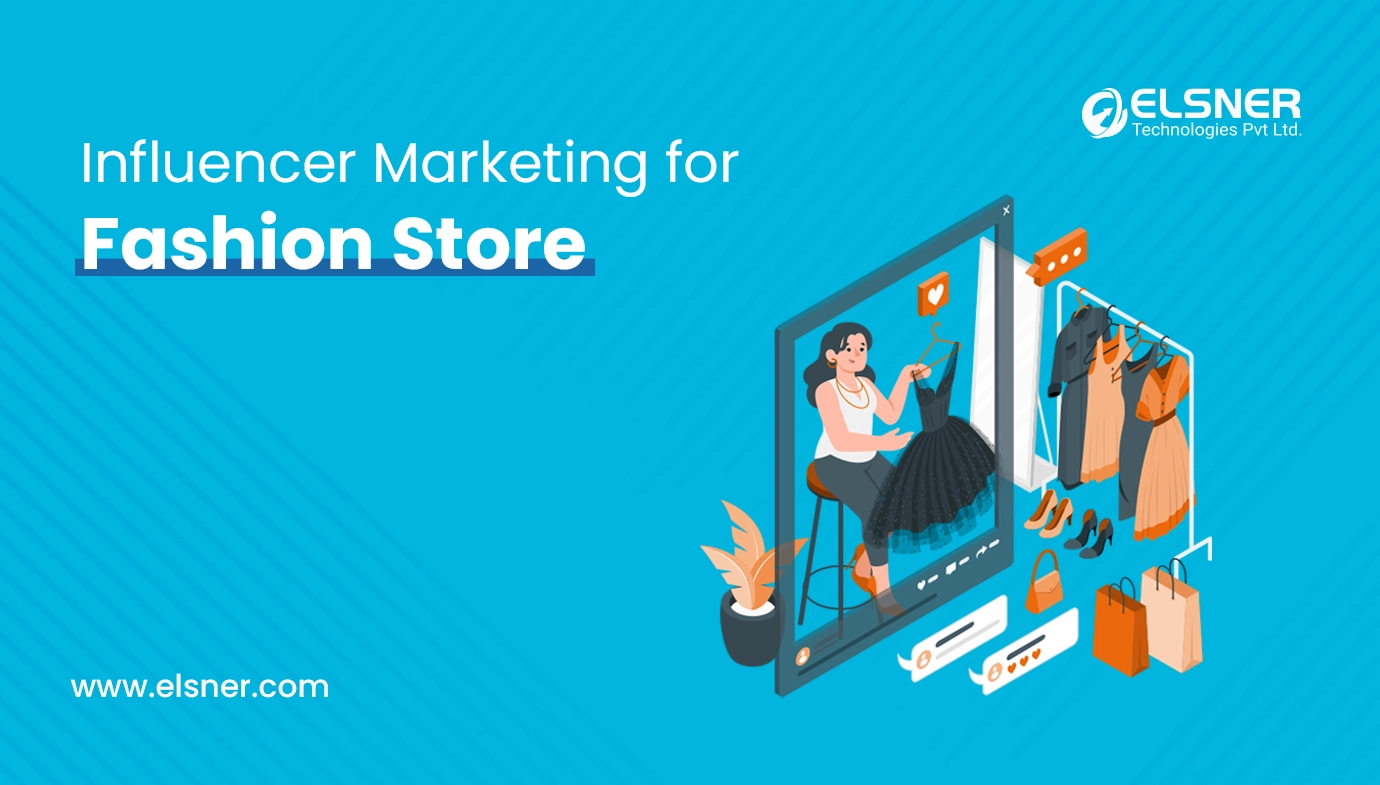
It is as if a loyal friend vouched for you that, “You have to get this outfit on!” Approximately 25% of marketers are employing this approach in order to reach customers and increase sales. Instagram, TikTok, and Pinterest make it easier for fashion ecommerce marketing influencers to promote new styles and trends not only for shoppers but also for brands looking for the perfect product.
Today’s blog will cover everything you need to know about fashion influencer marketing and social media for fashion ecommerce.
Understanding Social Media Influencers
Definition and Types of Influencers
Social media influencers are people who serve as popular, relatable figures and endorse certain products to increase their purchases. Fashion ecommerce marketing influencers are divided into four groups based on the size of their audiences.
Picking the right influencer type for your brand takes some testing, but the table above is a solid starting point.
The Role of Influencers in Shaping Fashion Trends
With fashion being an exceedingly dynamic industry, influencers play a key role in showcasing new styles and brands to people. A staggering 60% of fashion ecommerce agencies agree that posts made by influencers achieve greater engagement and conversions than posts made by brands.
It is evident from this trend that the role of influencers in fashion ecommerce is critical, they broaden the scope of brands to appeal to various demographics.
One is bound to notice a dramatic effect from influencer fashion ecommerce marketing, even more than any paid advertisements. 11 times more money can be made off investment if it is backed by an influencer than through a generic advert since 92% of online buyers have more inclination to trust influencers.
So once you notice an increase in conversions with influencer marketing, make sure your fulfillment process can keep up. Without smooth order fulfillment, you’ll be left with frustrated customers.
Social Media for Fashion Ecommerce
How Social Media Shapes Purchase Decisions?
Social media for fashion ecommerce has indeed broadened the range of consumer patterns as customers now tend to make purchases instantly and are more loyal to a specific brand.
In both the UK and the US, statistics show that nearly 10% of people have made a fashion purchase on social media after seeing it promoted by an influencer. Every successful influencer campaign needs a robust strategy behind it, not just a good product.
The Psychology Behind Influencer Recommendations
In contrast to businesses, influencers are viewed by consumers as peers, which is a strong bonding factor.
This kind of trust plays a great role in influencing purchases, which is why when consumers receive repeated recommendations from a certain B2C or B2B fashion ecommerce creator, the probability of making a purchase increases by 68.25% for fashion and lifestyle shoppers.
Building Trust and Credibility Through Influencers
In a competitive market, influencers aid businesses in enhancing their brand authority. Social media platforms like TikTok, YouTube, Instagram have a 1.53% average engagement rate for most influencers.
This exhibits the potential to build a more genuine relationship with the target audience using social media for fashion ecommerce. So, an influencer fashion ecommerce solution is something that all fashion brands need to leverage.
As sales increase, influencer marketing needs a fulfillment process solid enough to keep those new customers coming back.
Social Media for Fashion Ecommerce: Benefits of Collaborating with Influencers
|
1
|
Expanding Brand Reach and VisibilityEngaging with influencers enables brands to reach out to many different audiences. This strategy is important in B2B fashion ecommerce, where targeted campaigns produce positive results. |
|
2
|
Driving Traffic to Ecommerce WebsitesFashion influencers create an impression on their followers and significantly drive traffic to certain products and services. So, just like SEO for fashion ecommerce, influencer marketing is also essential for driving traffic. Their personalized promotions resonate deeply with their communities, which is exactly why influencer strategy deserves a real place in your marketing plan, not an afterthought. |
|
3
|
Enhancing Customer Engagement and LoyaltyEngagement metrics in B2C and B2B fashion ecommerce, such as the average rate of 1.53% engagement rate of fashion creators on all platforms, indicate the ability of influencer marketing to retain loyal customers and build communities. So in 2026, SEO for fashion ecommerce and influencer marketing are both necessary. |
Strategies for Effective Influencer Partnerships
|
1
|
Identifying the Right Influencers for Your BrandWorking with the right B2C or B2B fashion ecommerce influencers is important. Some engagement rate metrics can be used to estimate the potential partner’s impact, such as 1.59% on Instagram or 0.97% on YouTube. But remember, even with the best influencers and marketing strategies, you can still lose loyal customers if fulfillment has bottlenecks. |
|
2
|
Crafting Authentic Collaborations and CampaignsInfluencer marketing is focused on showcasing the authentic self. Co-branding campaigns should be executed in such a manner that they are meaningful to the influencer and to the brand. Fashion Ecommerce Website Development services can help you create an influencer marketing strategy. Combine influencer marketing with strong on-page SEO and you’ll typically see traffic and conversions climb together. |
|
3
|
Measuring Success: KPIs and AnalyticsCommercial campaigns should be focused around key performance indicators (KPIs) which include conversions, reach and return on investment (ROI). Influencer marketing is believed to generate, on average, 6.5 times higher ROI than other forms of advertising, making it even more efficient. That’s why so many fashion brands pair influencer campaigns with a broader search strategy. |
Case Studies: Successful Influencer Campaigns in Fashion Ecommerce
Analysis of Brands That Have Successfully Leveraged Influencers
Fashion Nova
Fashion Nova, by teaming up with nano and micro-influencers, increased its reach to the Gen Z audience even more.
Gymshark
This brand partnered with fitness influencers to build a strong community around activewear. This influencer marketing approach drove traffic to its fashion ecommerce website development and strengthened its global footprint.
Want to create campaigns like these? Get in touch with our team to get started.
Lessons Learned from These Campaigns
It is better to engage with customers than reach them: solid engagement rates from smaller influencers tend to give a higher return on investment.
Stability in partnerships: repeated partnerships strengthen brand awareness and loyalty to the brand.
Challenges and Considerations in Influencer Marketing
Navigating Authenticity and Transparency
Almost 60% of the influencers in the world already have a strategy tailored for beauty and fashion brands, focusing on transparency in their collaborations. Consumers appreciate authenticity, hence the importance of proper disclosure and true endorsements.
Dealing with Influencer Fraud and Misrepresentation
84% of influencer investigations are done manually, making it difficult to authenticate them. Brands can reduce risk by checking engagement quality and follower authenticity before signing any partnership.
Balancing Paid Partnerships with Organic Content
It is critical to manage organic mentions alongside purchased promotion strategies. Budget strain is still a real problem, with 39% of marketers citing it as an obstacle to running both influencer and search-focused campaigns.
Predictions for Influencer Marketing in 2026 and Beyond
The Impact of Emerging Technologies (AR/VR)
The big difference for influencers will be a complete shift in marketing where the use of AR and VR will allow for more vivid experiences. For instance, AR self-service fitting tools will pair with faster, smarter order fulfillment.
Market outlook: The fashion influencer marketing industry was worth USD 3.7 billion in 2022 and is projected to reach USD 58.50 billion by 2031, a compound annual growth rate of 35.9 percent. AI tools will increasingly help brands identify and vet potential influencer partners automatically.
Conclusion: Harnessing the Power of Influencers for Fashion Ecommerce Success
Social media influencers are a fundamental component of the development of fashion commerce marketing, earning unprecedented engagement, reach and ROI. Almost 60% of brands already use some advertising or direct relation strategies with influencers, and a further 21% profess to use them more in the future. Fashion ecommerce strategy will capitalize on this evolving media.
Ready to build an influencer strategy that actually converts?
Reach out and we’ll help you find the right partners, structure the campaign, and track what matters.
Frequently Asked Questions
What is influencer marketing, and what is the role it plays in fashion ecommerce?
To advertise their products, brands work with specific individuals on social networks. All the traffic and sales come as a result of influencers’ content.
How do social media influencers affect consumer purchasing decisions in the fashion industry?
By building trust and credibility, influencers impact purchasing decisions. Their recommendations lead to significant conversions.
What are the key benefits of partnering with influencers for fashion ecommerce brands?
Some of the most significant advantages are stronger awareness, higher engagement, and better ROI than other forms of advertisement.
How can I find the right influencers to collaborate with for my fashion brand?
The use of tools that analyze involvement and the audience’s fit allows brands to select the most efficient influencers.
How should I measure the success of influencer marketing campaigns?
The results that should be the main focus of any campaign are engagement, reach, conversions, and ROI.