Nina’s Jewelry
Elsner developed dedicated platforms for Nina’s Jewellery’s B2B and B2C customers, ensuring each audience received a tailored shopping experience. By integrating an Advanced Retail Management System (ARMS), we streamlined….

Elsner’s enterprise hybrid app development services focuses on creating mobile apps that perform reliably on iOS and Android platforms. You don’t need to pay double-cost for separate native apps for each platform. Our team delivers cost-efficient custom hybrid mobile app development. We pay close attention to performance, cross-platform compatibility, and long-term maintainability from the start. Businesses choose Elsner as a trusted hybrid app development company in the USA when they need mobile solutions that can handle growing user bases, and adapt to ongoing changes.





A slow Shopify store can lead to Most mobile apps fail not because of design, but because their architecture fails to support how the business truly operates across different devices and platforms. At Elsner, hybrid app development services in the USA begins by understanding how a mobile application is used day to day.
When teams and customers rely on an app daily, the development approach shifts to prioritize cross-platform consistency, performance optimization, and code maintainability. Decisions are based on real user workflows, not generic frameworks.
Our hybrid mobile app development services are chosen by businesses seeking cost efficiency without sacrificing quality, focusing on single codebase architecture, native-like performance, and apps that stay functional as platform requirements change.
We work with React Native, Flutter, and Ionic because they’re proven. React Native dominates when JavaScript expertise matters and you need massive plugin ecosystems.
Flutter wins for apps requiring complex animations or heavily customized interfaces. Ionic makes sense when your team already thinks in web terms.
The framework decision happens early. It affects everything: development speed, available talent, long-term maintenance costs, and whether your app actually feels native on each platform.
Our hybrid mobile app development services start by matching framework strengths to your specific requirements, not the other way around. That’s why framework expertise of a hybrid app development company matters more than framework familiarity.

Apple’s App Store and Google Play Store have different requirements, review processes, and reasons for rejection. One small mistake delays launch by weeks.
We handle app store optimization as part of our hybrid application development services because launch day matters. Your app description needs to convert browsers. Keywords need to match how people actually search. Screenshots need to show value in three seconds or less. Reviews and ratings need a strategy from day one, especially when working with a custom software development company focused on long-term scalability.
Apps get rejected for vague reasons, hidden policy violations, or technical issues that only surface during review. We’ve been through this enough times to know what triggers problems and how to avoid them before submission. Your app gets in front of users faster.
Native development means building your app twice. Costs double. Speed halves.Hybrid app development flips that equation. One codebase runs on both platforms. A smaller team can do what previously required two specialized teams. Development costs typically drop by 40-60% compared to separate native builds.
But cost savings mean nothing if the app performs poorly. Our hybrid app development company focuses on cost-effective solutions that don’t sacrifice performance, user experience, or platform-specific functionality. You save money by eliminating duplicate work, not by accepting inferior quality.
The business case is straightforward: reach iOS and Android users without paying twice. The execution just needs to be done properly.
Our consulting starts with your actual business problem. We evaluate your requirements, suggest frameworks that actually fit (not just what’s trendy), and map out a development path that makes sense.
Design work focuses on how people actually use their phones. We build interfaces that feel right on both iOS and Android without making users relearn anything. Development follows the same principle: write once, but make it work properly everywhere.
Maintaining both iOS & Android apps is expensive and slow. Migration to hybrid architecture cuts that overhead. We move existing functionality to a single codebase while keeping everything users depend on intact.
We test apps across different devices. Real usage patterns get tested. Security vulnerabilities get found and fixed before launch. Your app users download a stable app, not a beta test.
Mobile apps don’t stop at phones anymore. Smartwatches, fitness trackers and connected home devices need apps that sync properly and respond quickly. We build hybrid applications that extend to these platforms.
Launching an app isn’t the finish line. Our support covers OS compatibility updates, performance fixes & security patches. We also deploy feature additions based on real feedback.

We create prototypes so you can actually test interactions before committing to full development. Prototypes save time and avoid expensive redesigns later. Visual appeal shouldn’t get in the way of someone trying to complete a task quickly.
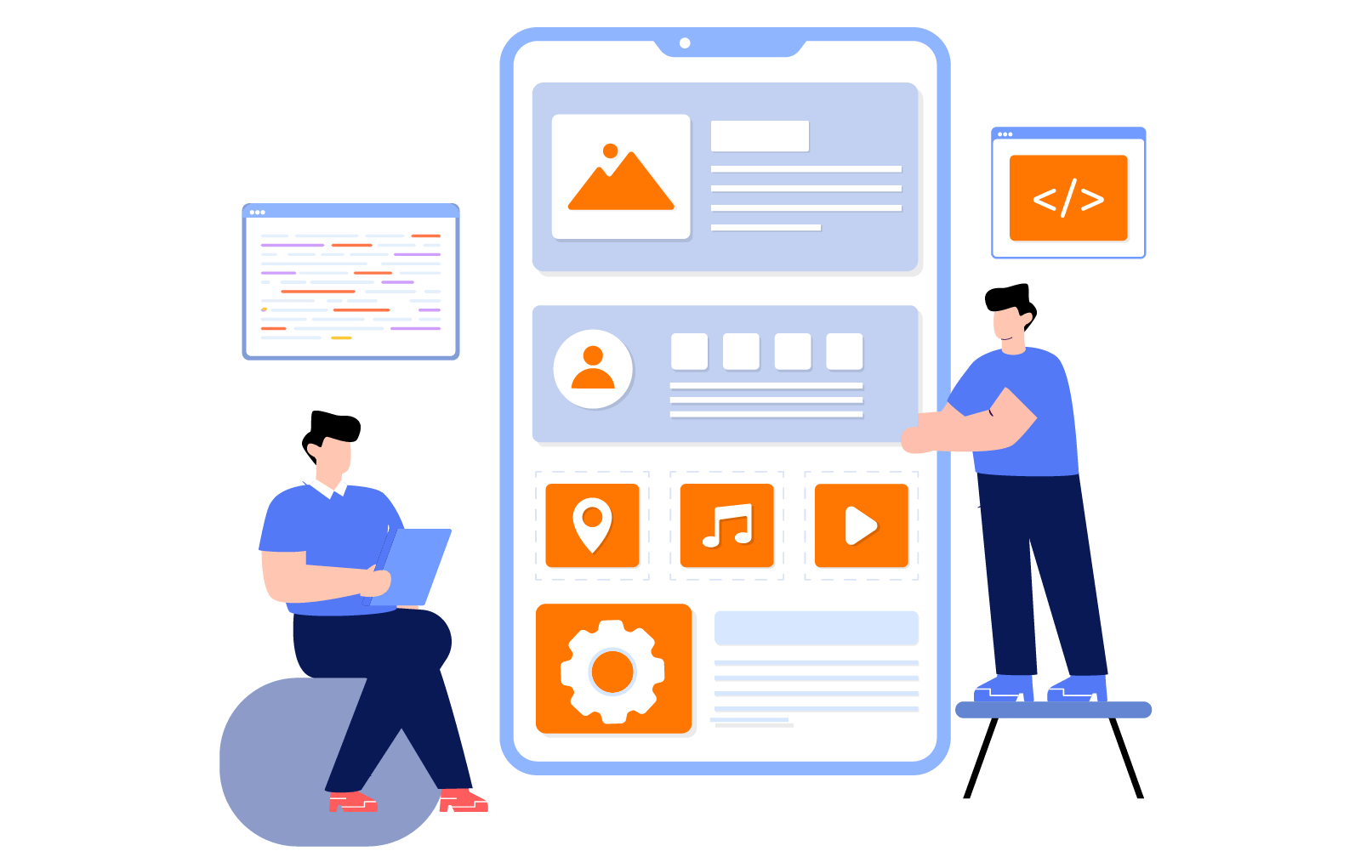
We work with Flutter, React Native, and Ionic. Progressive Web Apps also fall under this umbrella when appropriate. Cloud-based solutions get considered when server-side logic outweighs device-side processing.
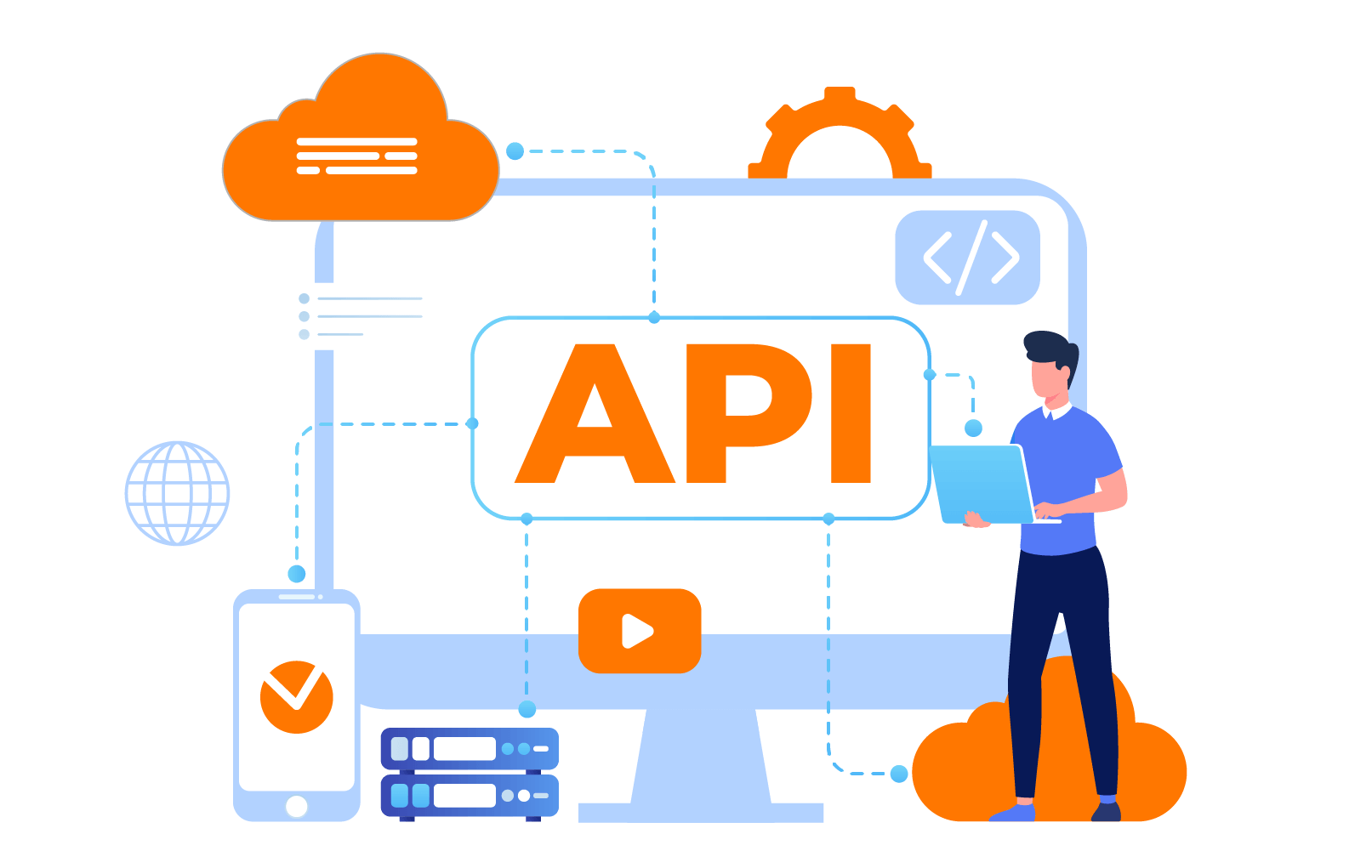
Smart integration means your app gains powerful features without building everything from scratch. Our hybrid app development services keeps performance intact while connecting multiple services.
Choosing an enterprise hybrid application development company is about technical expertise, cross-platform experience, and long-term support. Businesses choose Elsner for hybrid mobile app development services in the USA that focus on stable, maintainable mobile applications built for real multi-platform usage. Our apps deliver consistent performance after launch on both major mobile operating systems.
Get Hybrid App Solutions

COO, IF Solutions Pvt Ltd
Rating: 5.0

“Their exceptional customer service met and exceeded expectations.”


CEO, Trips Ideales LLC
Rating: 5.0
“I got what I needed for my business.”

CEO, Shashi Foods
Rating: 5.0
“Overall, we were extremely satisfied with their services.

CEO, Global Solutions IT, Inc
Rating: 5.0
“They were excellent communicators, and we could tell they were engaged in our project.”

Co-Owner, Reisbijbel.nl
Rating: 5.0
“Their hard work stood out to us.”

CEO, GrillSymbol
Rating: 5.0
“Our online presence is now much better.”

Rating: 5.0
“They are very open and transparent.”

CEO, Rutushah.com
Rating: 5.0
“They have over 150 developers, and nearly 20 of them are strong and certified in Magento development.”

CTO, Architecture Ideas
Rating: 5.0
“I’m earning $3,000–$5,000 per month from the website.”

President, MVS Future Corp
Rating: 5.0
“Their internal tools made project management more effective.”

CEO, Shripal Fashion
Rating: 5.0
“They’re making a difference for my business.”

CEO, iSmart Solulab LLP
Rating: 5.0
“Around 30% of our leads are generated through social media marketing.”

President, Techlectric
Rating: 5.0
“It was easy to work with them; they adapted to any special requirements we needed from them.”
CEO, Shashi Foods
Rating: 5.0
“Overall, we were extremely satisfied with their services.
Co-CEO, Digital Marketing Company
Rating: 5.0
“We were extremely satisfied with the service provided by them.”
Office Manager, Alabama Safety Products
Rating: 5.0
“They are great at communicating, and they completely understand our needs.”
Founder & CEO, Social Impact Services
Rating: 5.0
“Elsner Technologies Pvt Ltd team is adaptable and efficient.”
Electronic Design Editor, Celebrating Grace
Rating: 5.0
“Working with them was easy.”
Manager, MTS
Rating: 5.0
“They did a fantastic job.”
Owner,Techno Graphx
Rating: 5.0
“The entire experience has been flawless.”

Director, Communovate
Rating: 5.0
“It’s been like having my own development team in-house.”

General Manager, Nina's Jewellery
Rating: 5.0
“Their emphasis on team culture is impressive.”

Founder, Sajan Shah Foundation
Rating: 5.0
“Elsner Technologies Pvt Ltd will transform your ideas into reality.”

Owner, Rasmi, LLC
Rating: 5.0
“The team did a great job with all of my inquiries and requests.”

Account Manager, Marketing
Rating: 5.0
“Their speed was impressive.”





Every business operates differently, and hybrid app development requirements vary based on how products, services, and mobile users interact with applications. At Elsner, projects are planned around business structure rather than fixed templates. We work with B2B, B2C, and D2C models, designing hybrid application development services that support daily mobile operations and future growth across platforms.

B2B mobile applications often involve field teams, sales representatives, and workflow automation tied closely to an Ecommerce Development Company.
Hybrid app development for B2B businesses focuses on offline functionality, data synchronization, and integration with existing enterprise systems.
Read More
Industries commonly supported include:
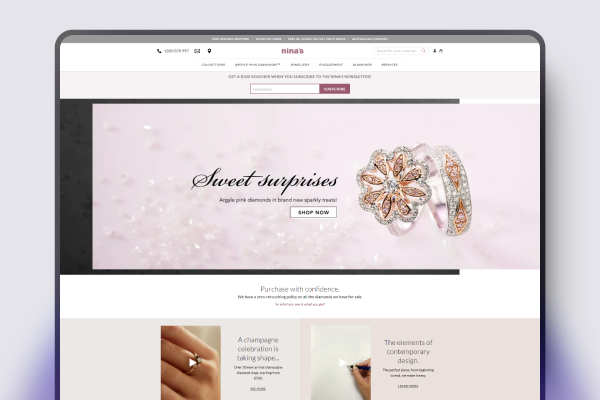
Elsner developed dedicated platforms for Nina’s Jewellery’s B2B and B2C customers, ensuring each audience received a tailored shopping experience. By integrating an Advanced Retail Management System (ARMS), we streamlined….
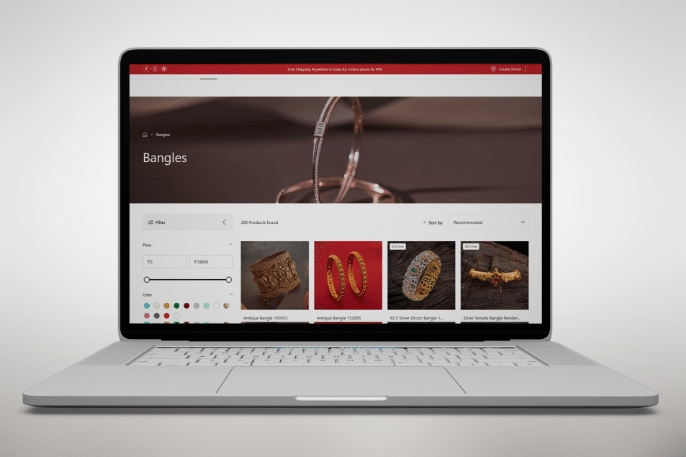
Kushals is an online platform that offers a convenient and exciting way to purchase Fashion and Silver Jewellery and Accessories. Built on the Shopify platform, it provides a smooth and user-friendly interface for buying a vast range of jewellery.
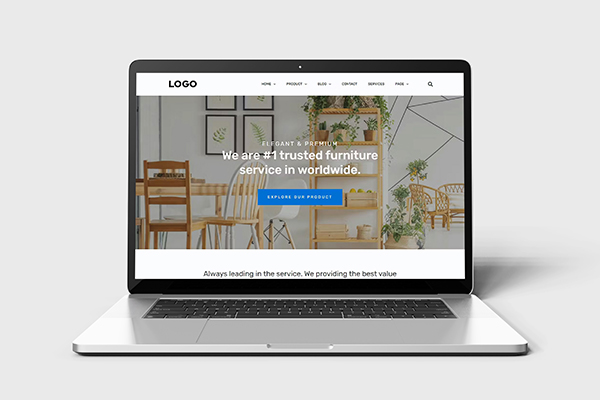
Furnmall, a top furniture seller, moved online after their old website struggled. The Elsner team advised using Shopify, adding fancy features and Zoho tools for a seamless experience. Their goal was a user-friendly and appealing online shop. They also sought a centralized system to track customers, products, and finances. Objective The primary objective was to…


We understand business needs and define a clear development direction before starting.

Layouts are designed to keep usability, content flow, and clarity in focus.

Core features are developed with clean structure and stable functionality.

Performance and responsiveness are reviewed to ensure consistent behavior.

The website or application is launched carefully after final testing.

Ongoing support is provided to handle updates and future changes.
Hear it from our loyal customers around the globe

Tim Smith

Preminder Bhuller

Morgan Alston

Jesse Zaragoza

Craig Beal

Sujay Kumar shah

Pratheepan Gunaratnam

Mark Pretorius

Manuel Basiri


As a marketing-leading enterprise hybrid application development company in the USA we start every project with understanding how the business actually uses mobile technology. Before writing any code, requirements, user workflows, platform needs, and long-term goals are discussed. This helps avoid rework later and ensures the hybrid application supports real mobile usage, not just design expectations.
Our enterprise hybrid app development services are used by startups, growing companies, and established enterprises. Some need simple customer-facing apps, while others require complex hybrid applications for field operations or internal systems. The approach changes based on business needs, not company size.
Yes. Many clients come with existing native apps that need conversion or integration with hybrid architecture. As an enterprise hybrid application development company, we often work on migration strategies, feature parity, and performance optimization while minimizing disruption to existing users.
We do performance testing on both platforms throughout development. This includes platform-specific optimization and device testing. We also address OS-specific behaviors. As a hybrid app development company, the focus stays on building apps that feel native on each platform even with a single codebase.

We value your Inquiries, Feedback, and Collaborations. Whether You are interested in our digital services, have questions about our projects
