




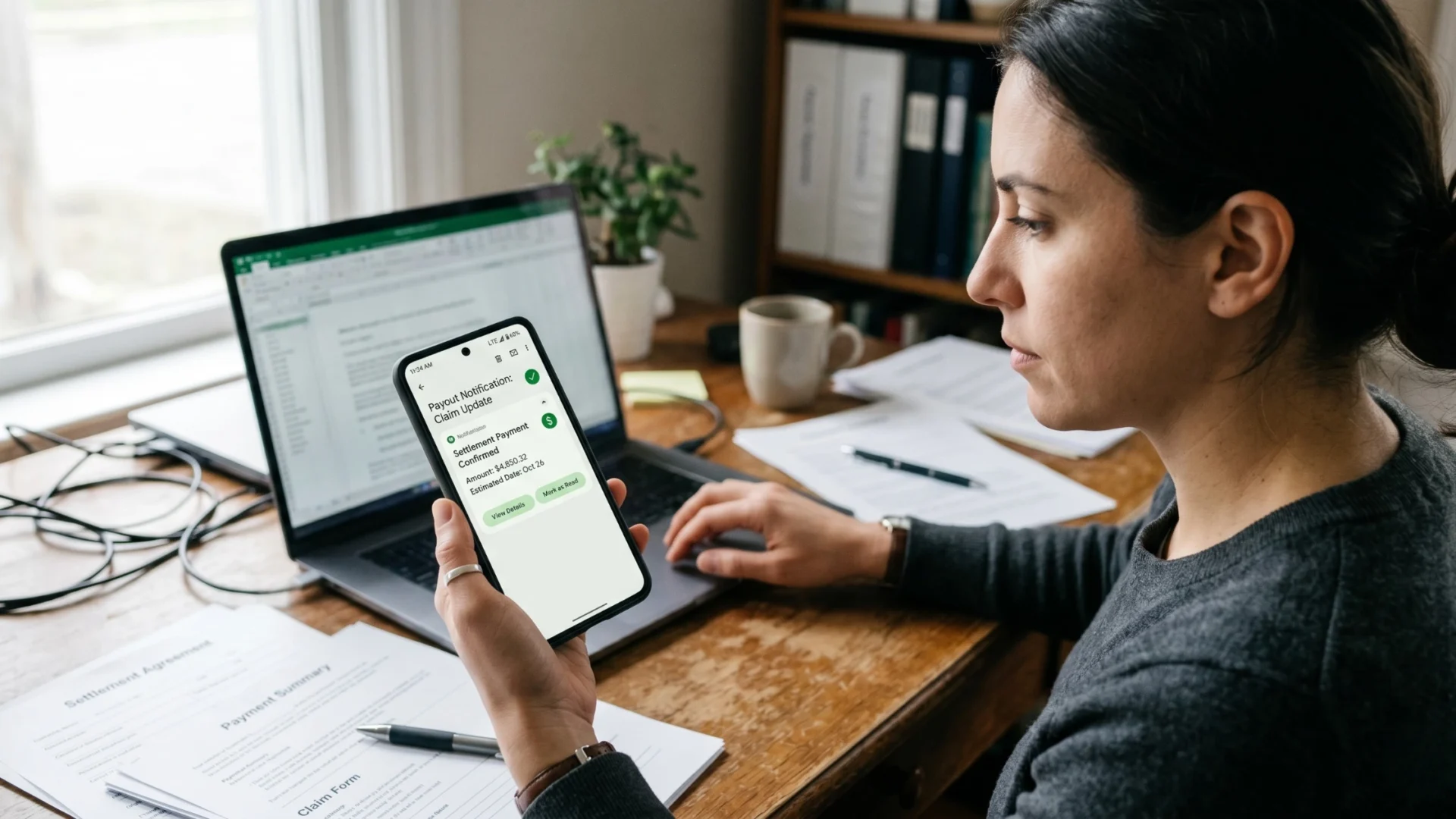
Millions of Android users in the United States may now be eligible for money from Google’s $135 million settlement. The case focused on claims that Android devices sent data to Google while phones were idle, using cellular data in the background without clear user awareness.
For many people, the payment may be small. The larger story is not the dollar amount. It is that passive mobile data collection is facing much greater scrutiny than it did a few years ago.
What happened
A federal lawsuit claimed Android phones transmitted information to Google even when devices were not actively being used. Google denied wrongdoing but agreed to settle the case for $135 million.
|
$135M
Settlement value
|
2017
Eligibility window begins
|
$1+
Estimated payout range
|
The lawsuit argued that users were effectively paying for these transmissions through their own mobile data plans. For people on prepaid or limited plans, even small background usage can matter over time.
Who may qualify
- People living in the United States
- Used an Android phone with cellular data
- Usage since November 12, 2017
- Some users in separate California actions may be excluded
If you used multiple Android devices during that period, it is still worth checking your status. Many users qualify without realizing it.
What people may receive
Many users are expected to receive around $1 to $1.50, though final payments depend on participation levels, fees, taxes, and administrative costs.
The payout may be modest, but cases like this often matter more as accountability moments than as personal finance wins.
How to claim
Eligible users may receive a notice by email or mail with claim details. Use the official settlement website to confirm eligibility, choose a payment method, and complete the process.
|
May 29 Deadline for objections |
June 23 Final approval hearing |
If the settlement receives final approval, payments would usually follow according to the administrator schedule.
Why this matters beyond one payout
- Mobile privacy is under greater legal review
- Background data practices face new pressure
- Users are paying closer attention to device behavior
- Companies may need clearer disclosures
- Trust is becoming a competitive advantage
The case arrives during a wider period of privacy scrutiny across smartphones, voice assistants, and passive data collection systems.
What Android users should do now
Check your email for notices. Review mobile data settings. Look at which services use bandwidth in the background. Small checks often reveal useful insights.
Need privacy first mobile products?
Elsner helps businesses build apps and digital products with stronger transparency, smarter user trust, and modern compliance thinking.
This settlement is unlikely to change anyone’s finances. It may, however, change how users think about what their phones do when nobody is looking.
If you used Android on mobile data since 2017, checking eligibility takes little effort. The bigger value may be understanding what your device has been doing in the background all along.