Category: Furniture E-Commerce
-

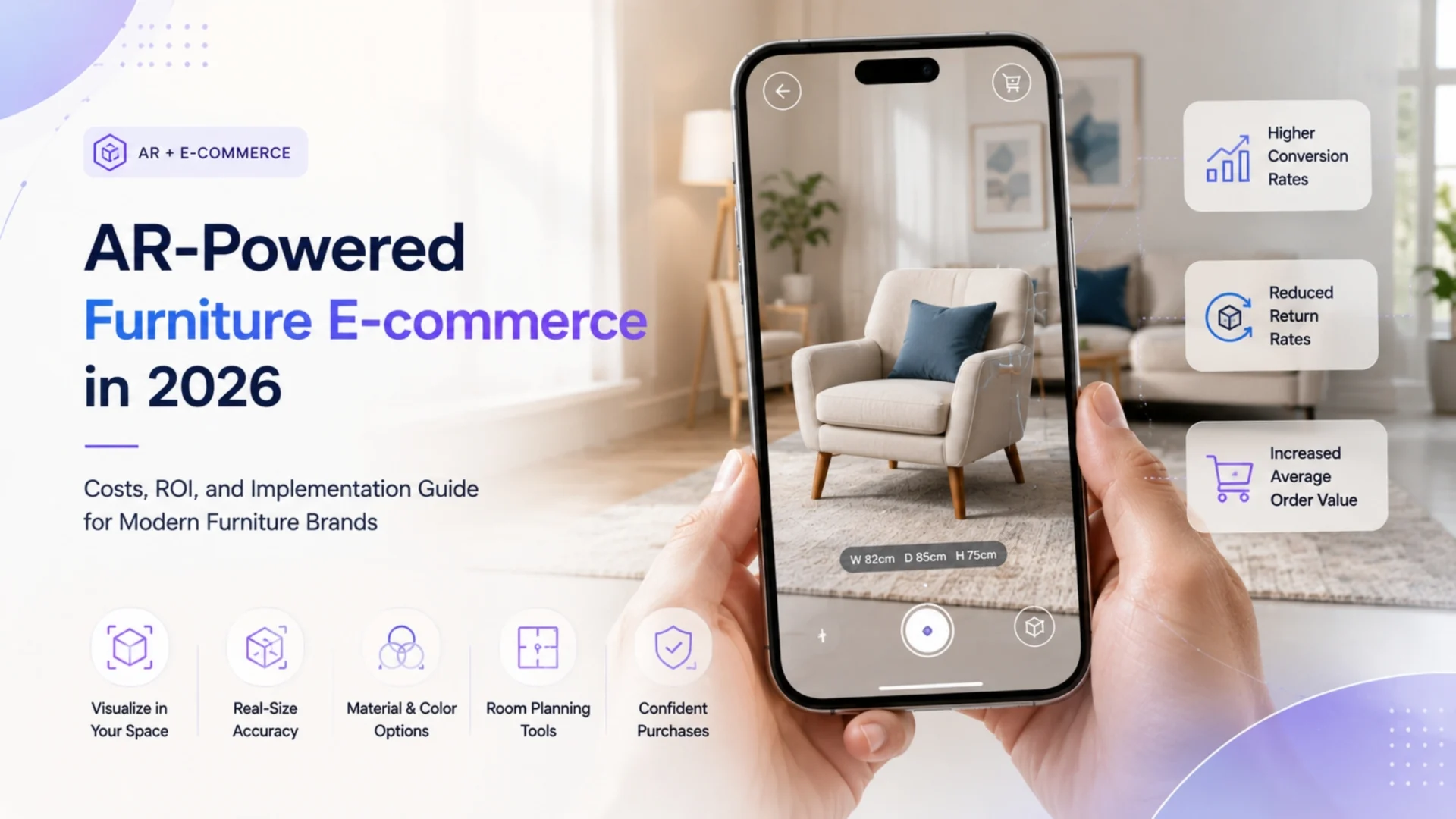
Augmented Reality for Furniture E-commerce: Costs, ROI and Implementation Guide (2026)
Furniture e-commerce has a challenge that most other categories don’t. Customers cannot actually experience the product when shopping online. They can’t sit on the sofa, touch the fabric, or stand next to a bookshelf to understand its size. And that creates hesitation. It leads to more cart abandonment, lower conversion rates, and a high rate…
-
Top Features Every Furniture Ecommerce Website Must Have in 2026
Online furniture shopping has grown and it is not slowing down. Buyers in the US are skipping the showroom trip entirely. They scroll through sofas at midnight, compare dining tables on their lunch break, and expect to feel as confident buying online as they would in person. That shift is real, and it puts serious…
-

Optimizing Furniture Product Inventory for Better Sales and Efficiency
Quick Answer Furniture inventory optimisation means keeping the right stock available without overstocking, which is hard when lead times are long and product sizes vary. The strategies that work are using an inventory management system with real time tracking, forecasting demand, controlling stock levels with reorder points and ABC analysis, running regular audits, and syncing…
-
Result-Driven Furniture SEO Strategies to Boost Your Online Visibility
Quick Answer SEO for a furniture store means getting your products and showroom found when people search for furniture online and nearby. The biggest wins are keyword rich product and category pages, high quality images with alt text and product schema, a fast mobile site, local SEO through your Google Business Profile, and content like…
-
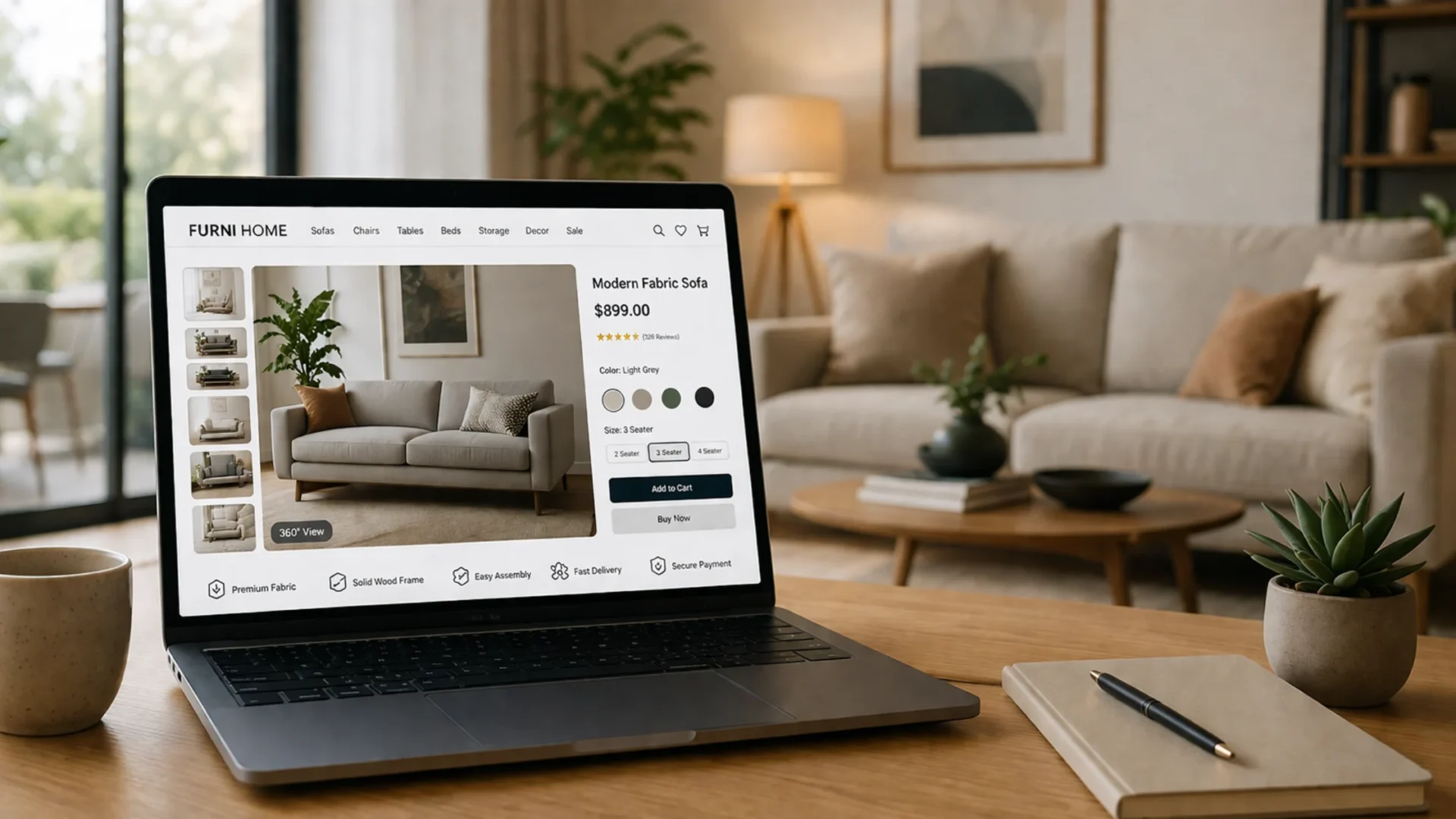
Revolutionize Your Online Presence: The Ultimate Furniture Website Design Guide
Quick Answer A furniture website has to sell a visual, high consideration product, so design leads with large, high quality images, lifestyle and room settings, and tools like AR or 360 views, backed by detailed specs, dimensions, and care info. Build it on the right platform (Shopify, WooCommerce, or Magento), make it fast and mobile…