Category: Ecommerce
-

MedusaJS for Enterprises: Key Benefits, Use Cases, and Architecture Insights
Quick Answer MedusaJS is an open source, Node.js based headless commerce engine that separates the backend (orders, products, inventory, payments) from the frontend. For enterprises the appeal is no licensing or transaction fees, full codebase ownership, modular architecture you can change piece by piece, a familiar Node.js, PostgreSQL, and Redis stack, and API first integration…
-

MedusaJS Performance Optimization Tips for Faster eCommerce Experiences
Quick Answer To speed up a MedusaJS store, cache frequently accessed data with Redis, move non urgent tasks to background jobs with BullMQ, paginate product and order endpoints, index your PostgreSQL queries, run Node.js 20 or newer, serve static assets through a CDN with edge functions, and monitor performance continuously. Together these cut load times…
-
MedusaJS Explained: The Open Source Commerce Platform Built for Scale
There is a moment every scaling ecommerce team eventually hits. The platform that launched the store starts to feel less like a foundation and more like a ceiling. Transaction fees compound quietly as revenue grows. Design customizations require backend workarounds that pile up as technical debt. Integrations that technically work depend on a plugin for…
-
Your Ecommerce Sales Dropping? Let Us Diagnose the Real Problem
Quick Answer When ecommerce sales drop despite steady traffic, the cause is usually one of six things: slow site performance, outdated or clunky UX, a weak conversion strategy (no urgency or trust signals), SEO and visibility gaps, outdated tech or platform limits, or a leaky marketing funnel (no retargeting or email flows). Each is fixable.…
-
Retail Automation: Benefits, Technologies, and How to Get Started
Quick Answer Retail automation uses technology, AI, IoT, robotics, and chatbots, to handle tasks like inventory tracking, checkout, customer service, and marketing. The benefits are better customer experience, lower costs, real time inventory accuracy, sharper insights, and true omnichannel selling. The main challenges are upfront cost, integration with existing systems, and staff adaptation. You can…
-
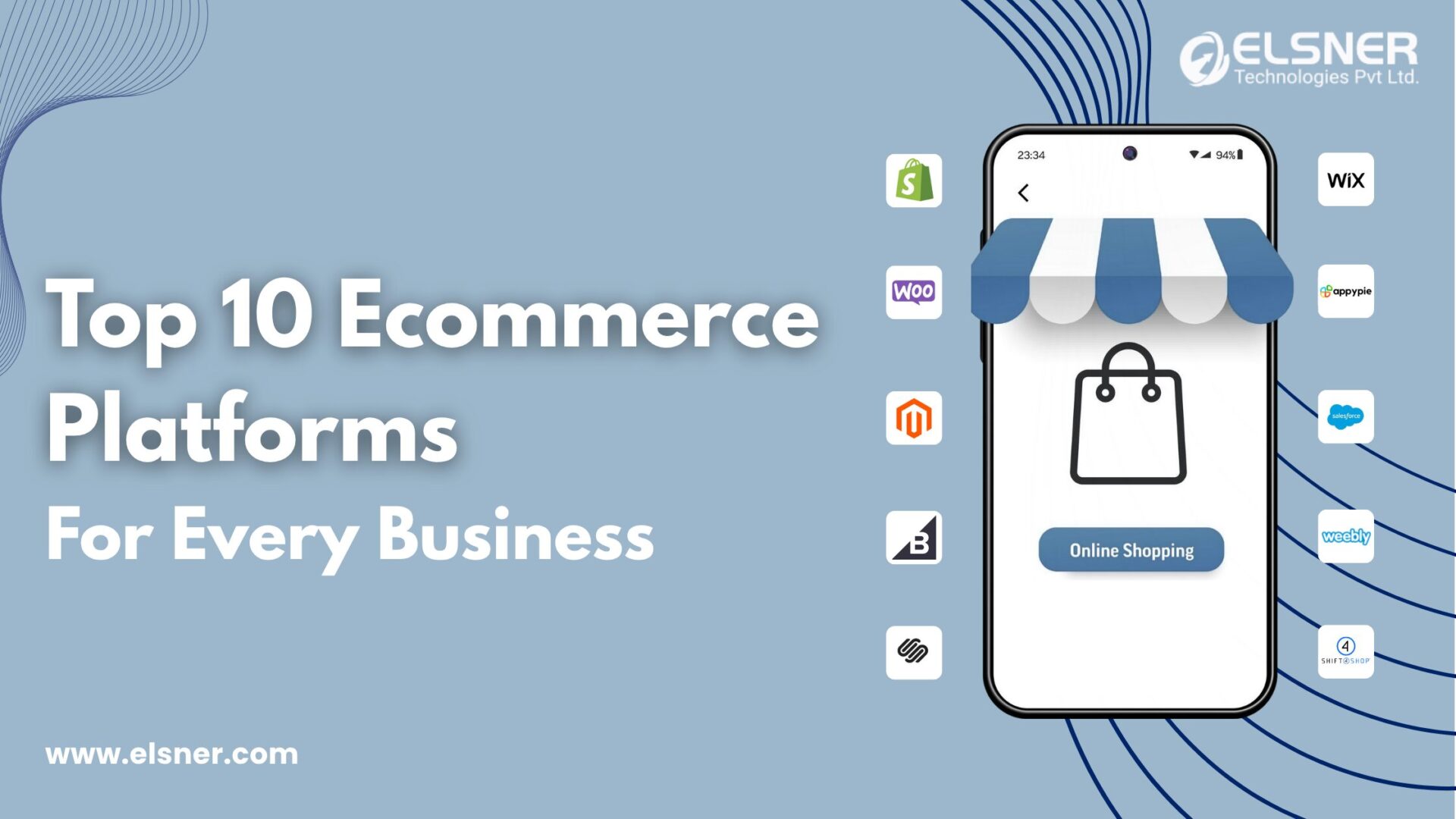
Top Ecommerce Platforms for Startups, Enterprises, and Small Businesses in 2025
One moment, you are setting up an online store. The next moment, your competitors are already testing drones for same-day delivery. 2025 Is Not Playing Nice—Your Platform Should Not Either Welcome to 2025. If your Ecommerce platform still crashes when someone sneezes on it—Houston, we have a problem. In a year when Ecommerce is set…
-
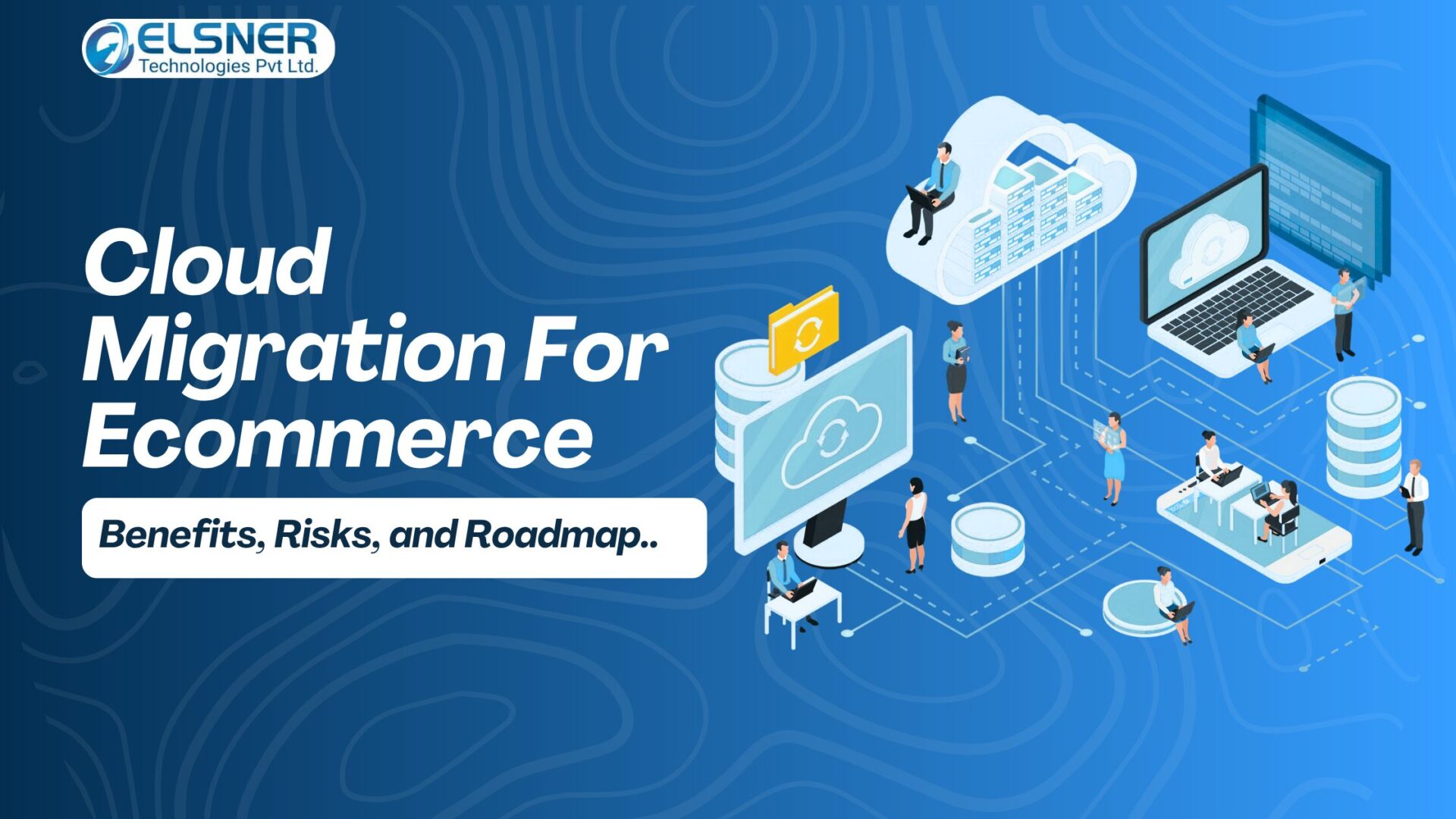
Cloud Migration for Ecommerce Businesses: Benefits, Risks, and Roadmap for 2026
Quick Answer Cloud migration for ecommerce means moving your store, data, and integrations from on premise or shared hosting to a cloud platform like AWS, Azure, or Google Cloud. The payoff is elastic scalability for traffic spikes, faster load times, pay for what you use pricing, and easier integrations. The main risks are data security,…
-

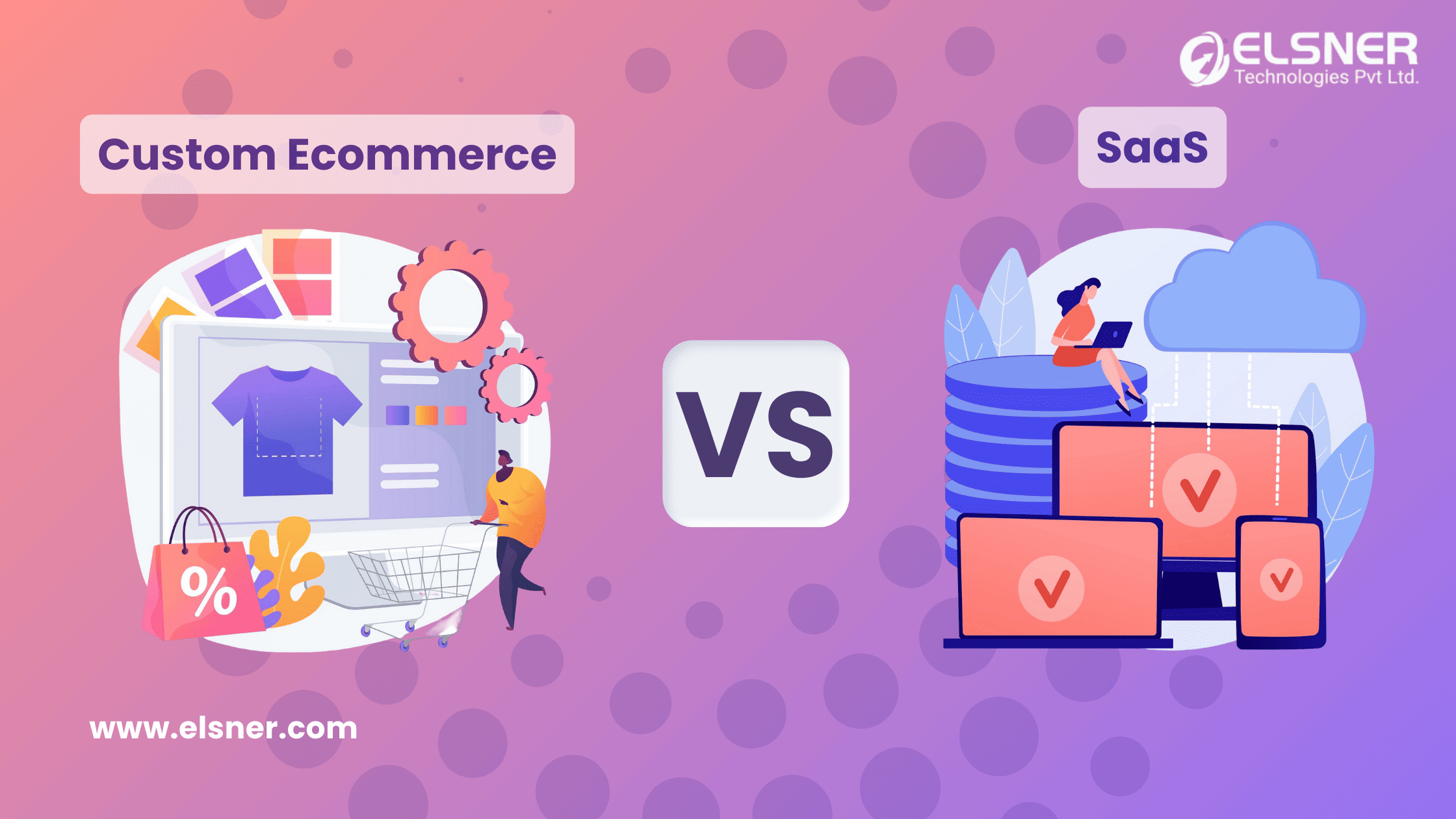
SaaS vs Custom Ecommerce: The Ultimate Guide to Choosing the Right Ecommerce Solution
Are you torn between SaaS and custom ecommerce for your online store? Picking the perfect platform can be the difference between skyrocketing growth and getting stuck with limitations. In this comprehensive SaaS ecommerce guide, we’ll unpack the key differences, benefits, and challenges of SaaS ecommerce solutions versus custom ecommerce development so you can choose what…
-

Ecommerce SEO Strategies: A Complete Guide to Scaling Organic Sales
Every ecommerce business owner knows the feeling. You have a well-designed store, solid products, and competitive pricing, yet your organic traffic numbers stay frustratingly flat. Meanwhile, your paid ad budget keeps climbing with no sustainable return in sight. The missing piece is almost always a structured, intent-driven ecommerce SEO strategy. Latest Update Google Update Insight…